Skip to content



Customers don’t just buy products—they buy experiences. Get it right, and they’ll return with friends. Get it wrong, and they’ll tell everyone why they won’t be back.
Here’s the reality: 73% of customers will switch brands after just one bad experience. But flip that around, and 77% will recommend you after just one positive interaction.
That’s the power of retail customer experience (CX). It’s not about having the cheapest prices or the biggest inventory. Customers are drawn to experiences that feel smooth, personal, and easy. These kinds of interactions leave a lasting impression and encourage people to keep coming back.
So, in this guide we’ve covered 14 actionable strategies to help you master retail CX—whether you’re running a single store or managing support across multiple channels.
Table of Contents
- What is Retail Customer Experience?
- Why Retail Customer Experience Matters More Than Ever
- 14 Proven Strategies to Enhance Retail Customer Experience
- Real-Life Examples of Brands Nailing Retail Customer Experience
- Start Improving Your Retail Customer Experience Today
- Frequently Asked Questions
What is Retail Customer Experience?
Retail customer experience is every interaction a customer has with your brand—from browsing your website to receiving post-purchase support. It includes online and offline touchpoints: your store layout, website navigation, checkout process, customer service, and even how you handle returns.
Infact, two key elements shape great retail CX:

✅Emotional experience: How does shopping with your brand make customers feel? Excited about their purchase? Frustrated by long wait times? The emotional connection often determines whether they’ll return.
✅Cognitive experience: How easy is it for customers to find what they need and complete their purchase? This includes everything from intuitive store navigation to seamless online checkout.
When both elements align, you create experiences that customers remember and talk about.
Why Retail Customer Experience Matters More Than Ever
Shoppers have more choices today than ever before. What sets brands apart isn’t just what they sell, but how they make customers feel throughout the journey. Here’s how it impacts your brand:
It Directly Impacts Your Bottom Line
Customer experience isn’t just a feel-good concept. It has a real and measurable impact on revenue.
Even a small boost in satisfaction, say 20%, can lead to noticeable improvements in how customers interact with your brand. They’re more likely to explore other products, spend more during each visit, and come back more often.
When people enjoy their experience, they naturally build stronger ties with your brand. That kind of customer loyalty plays a big role in driving long-term growth.
It’s Your Competitive Edge
Price comparison is one Google search away. Product quality? Easy to research. But experience? That’s where you can truly differentiate.
Customers will pay more for convenience, personalization, and exceptional service. 86% of buyers are willing to pay extra for a great customer experience.
It Turns Customers into Brand Advocates
77% of customers will recommend a brand after one positive experience. These word-of-mouth recommendations are trusted more than any paid advertising and drive significant organic growth.
Think about it: every satisfied customer becomes a potential brand ambassador, sharing their experience with friends, family, and social media followers.
Recommended reading
14 Proven Strategies to Enhance Retail Customer Experience
Improving customer experience doesn’t have to mean overhauling your entire operation. Small, thoughtful changes can create a big impact. These strategies are designed to help you build trust, increase engagement, and keep customers coming back.
1. Personalize Every Interaction
Generic experiences feel mid at best. Customers want brands that understand their preferences, shopping history, and needs. Personalization helps you create a shopping experience that feels tailored, thoughtful, and relevant from the very first touchpoint.
How to personalize customer experience:
✅ Use customer data to show relevant product recommendations based on browsing and purchase history.
✅ Segment customers by demographics and shopping habits to send targeted promotions they’ll actually want.
✅ Add “Customers Also Bought” features to help shoppers discover complementary products.
✅ Use AI chatbots that remember previous conversations and preferences.
🌟Real-world example: Levi’s Virtual Stylist uses AI to help customers find perfect-fitting jeans.

It asks detailed questions about fit preferences—like how they want jeans to fit through hips and thighs—then uses the same knowledge as in-store staff to make spot-on recommendations.
💡Pro tip: Start small with personalization. Even simple touches like using a customer’s name in emails or remembering their size preferences can make a big difference.
2. Create Seamless Omnichannel Experiences
Today’s shoppers move fluidly between online and in-store experiences. Many browse on their phones Infact, 60% of shoppers research products on their phones while standing in a physical store, comparing prices, reading reviews, or checking availability.
When you offer a consistent and connected experience across all platforms, it makes it easier for customers to engage with your brand—wherever they are.
This is exactly why omnichannel experiences matter. “Omnichannel means the customer experiences one smooth conversation — not multiple disjointed ones”, says Karen Lam, Director of Customer Support at Top Hat, on Hiver’s Experience Matters Podcast.
Here are some key omnichannel elements:
✅ Keep inventory updated across all channels—nothing frustrates customers like driving to a store for something that’s sold out.
✅ Offer “Buy Online, Pick Up In-Store” (BOPIS) and same-day delivery options.
✅ Let customers start conversations on one platform (live chat) and continue on another (email) without repeating themselves.
✅ Use chatbots for quick answers while making it easy to reach real people for complex issues.
💡Did you know?
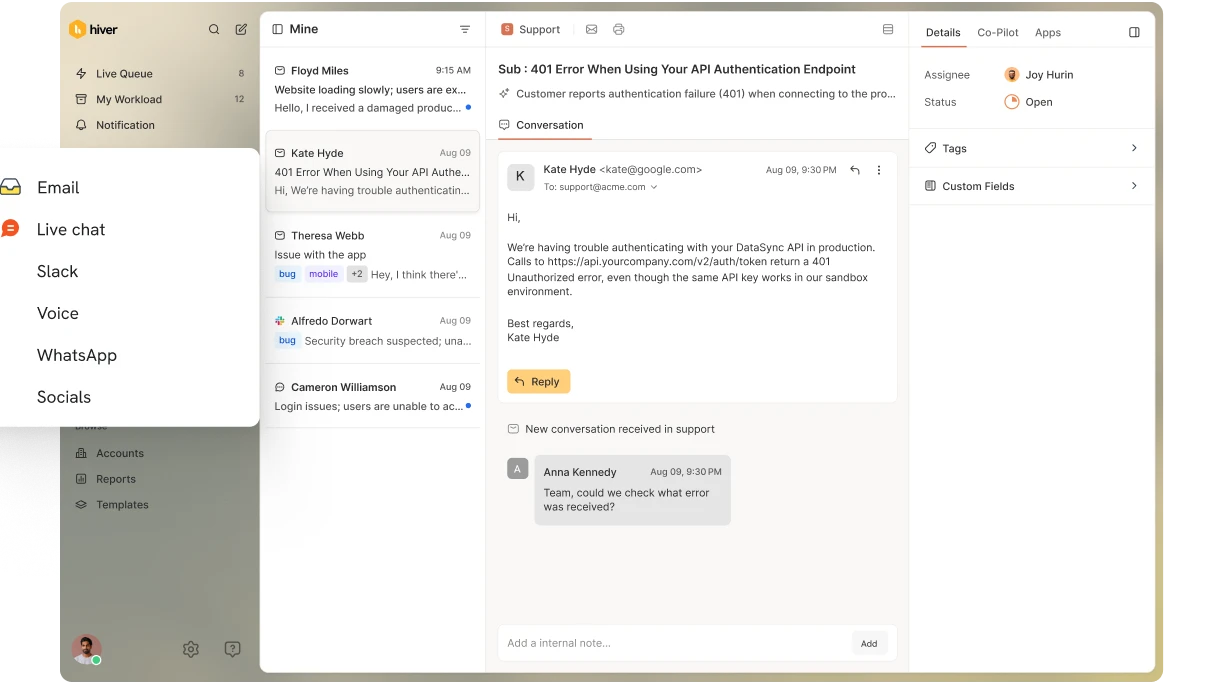
An omnichannel support platform like Hiver brings all customer conversations from email, chat, social media and other channels in a unified view, right within your inbox interface.

This allows everyone from frontline agents to compliance teams to access the full conversation history, collaborate efficiently, and ensure customers never have to repeat themselves when switching channels or departments.
3. Invest in Staff Training That Actually Works
Almost 80% of customers say speed, convenience, and friendly service matter most during their shopping experience. Your staff play a big role in delivering that. When employees are confident and well-trained, they’re more likely to solve problems quickly, create positive interactions, and leave a lasting impression.
Training essentials:
✅ Create quick-reference guides so employees can find product details instantly.
✅ Teach practical examples of how products solve real customer problems.
✅ Run hands-on workshops where staff can try and compare different products.
✅ Practice using positive language and acknowledging concerns before offering solutions.
Consider setting up a knowledge base so your team can easily find the right product information while assisting customers. It helps everyone stay on the same page and gives customers clear, consistent answers every time.
Recommended reading
4. Implement User-Friendly technology
Technology should make things easier for customers, not add extra steps or confusion. Too often, retailers roll out new tools without thinking through how they actually improve the customer experience.
Instead, start by identifying common pain points, then choose solutions that directly address those needs.
Here’s how to about it
✅ Start by identifying pain points—like trouble finding products in-store or long checkout lines.
✅ Choose technology solutions that directly address these problems—store navigation apps or mobile checkout.
✅ Test new tech with real customers before rolling it out widely.
🌟Real-world example: Walmart’s “item finder” app for in-store navigation helps customers find items quickly using their smartphone. It’s practical tech that solves a real problem—wandering aisles looking for specific products.

Recommended reading
5. Create Engaging In-Store Experiences
Shopping in person gives customers a chance to experience products up close. It’s an opportunity to create real connections that online shopping can’t quite match.
Make the store feel inviting, easy to explore, and worth the trip. A great in-store experience encourages customers to stay longer, explore more, and return often.
Here’s how to do it:
✅ Run seasonal events that add value (holiday gift-wrapping, back-to-school workshops).
✅ Let customers experience products—beauty tutorials for cosmetics, cooking demonstrations for kitchen appliances, author signings for bookstores.
✅ Offer “In-Store Only” perks like exclusive discounts or VIP shopping hours for loyalty members.
✅ Create social media-worthy moments that customers want to share.
🌟Real-world example: Adidas uses smart mirrors in fitting rooms that recognize items customers bring in and suggest different sizes and colors.

Shoppers can even take pictures and share them on Instagram. It’s practical tech that makes shopping more fun and helpful.
Recommended reading
6. Streamline Your Checkout Process
A slow or confusing checkout can ruin an otherwise great shopping experience. It’s one of the most common reasons customers walk away before completing a purchase. Keep it simple, fast, and flexible to make sure people leave feeling satisfied—not frustrated.
Here’s how to improve checkout:
✅ Place self-checkout or express lanes strategically near exits.
✅ Support multiple payment methods—tap-to-pay, QR codes, digital wallets, cash, and cards.
✅ Have backup plans for busy times, like quickly opening additional registers.
✅ Train staff to direct customers to shorter lines efficiently.
💡Pro tip: Monitor your checkout wait times during peak hours. If customers regularly wait more than 3-5 minutes, it’s time to optimize your process.
7. Actively Gather and Act on Customer Feedback
Customer needs are always changing, so staying in tune with their expectations is key.
Regularly asking for feedback shows that you care about their experience and want to keep improving. When customers see their input being taken seriously, they’re more likely to stay loyal and engaged.
Here’s how to effectively collect feedback:
✅ Use simple rating systems right after purchase (tap-to-rate screens)
✅ Send short surveys after purchases, deliveries, or customer service interactions
✅ Make feedback easy to leave anytime—through apps, websites, or QR codes on receipts, for example, sharing a QR code for Google Form allows customers to instantly access surveys and submit feedback with minimal effort
✅ Analyze patterns in feedback to identify and fix common issues
Lastly,
“Rather than starting with traditional journey maps, which can be too narrow and slow, analyze patterns in customer feedback and correlate them with business outcomes”,
is a tip that Lynn Hunsaker, Chief Customer Officer at ClearAction Continuum, emphasizes on Hiver’s Experience Matters podcast.
💡Did you know?
With Hiver’s built-in CSAT surveys, you can gather real-time feedback right after each customer interaction.

These insights help you go beyond surface-level satisfaction by spotting trends and recurring issues, making it easier to improve experiences where it matters most.
8. Use Social Media as a Customer Service Channel
Social media is more than a space for promotions. It’s also where customers ask questions, share feedback, and look for quick support.
With around 63% of consumers saying social media affects their brand loyalty, being responsive on these platforms shows you’re listening and helps build stronger connections in real time.
Here are some best practices to follow on social media:
✅ Assign dedicated support agents who understand both your brand voice and customer service.
✅ Use a separate support handle (@YourBrandSupport) to keep customer questions organized.
✅ Respond to complaints publicly and quickly—other customers are watching.
✅ Share behind-the-scenes content and give followers early access to deals.
✅ Feature user-generated content to showcase real customers using your products.
Customers often turn to social media when other support channels fail. A quick, helpful response can turn a frustrated customer into a loyal advocate.
Recommended reading
9. Maintain Consistency Across All Touchpoints
When customers move between channels, they expect the experience to feel familiar and reliable. Inconsistencies can create confusion and make your brand feel disjointed.
From your website and store to customer support, every interaction should reflect the same tone, values, and level of care. This kind of consistency builds trust and makes your brand easier to remember.
Consistency checkpoints:
✅ Use the same colors, fonts, and visual style across website, social media, and physical stores.
✅ Maintain a consistent brand voice whether posting on Instagram or responding to customer emails.
✅ Create brand guidelines that define how your brand speaks to customers—casual, professional, or playful.
✅ Train all customer-facing staff on brand voice and values.
When every part of the customer journey feels aligned, it reinforces your brand’s identity and builds confidence in the customer’s mind.
Recommended reading
10. Prioritize Security and Transparency
97% of people worry about how their data is handled, and that concern directly affects trust. Being clear about what information you collect, why you collect it, and how it’s protected helps customers feel more confident when engaging with your brand.
A strong reputation for privacy and transparency can become a key part of what sets you apart.
Here’s how to implement it:
✅ Display security certifications prominently (“We are PCI DSS-compliant for secure payments”).
✅ Use clear privacy policies that explain what data you collect and how it benefits customers.
✅ Implement strong payment security measures like encryption and tokenization.
✅ Train staff to handle customer information carefully.
Every piece of customer data represents trust they’re placing in your hands. Handle it accordingly.
11. Build Loyalty Programs That Actually Add Value
Loyalty programs are more than points and discounts. They’re a way to build lasting relationships and show customers that their continued support matters.
When rewards feel meaningful and personalized, customers are more likely to stay engaged and keep coming back.
Here’s what to do with loyalty programs:
✅ Track purchase history and offer personalized discounts on frequently bought items.
✅ Include special perks money can’t buy—early sale access, exclusive events, or VIP treatment.
✅ Make enrollment and point redemption quick and easy.
✅ Reward different types of engagement, not just purchases (reviews, referrals, social shares).
The best loyalty programs make customers feel special, not just rewarded. Focus on exclusive experiences alongside traditional discounts.
13. Monitor Customer Experience Metrics That Matter
Sales numbers tell part of the story, but customer experience metrics reveal how people really feel about your brand. Tracking things like satisfaction scores, resolution times, and repeat visits helps you uncover what’s working and where there’s room to improve.
Key metrics to track:
✅ Net Promoter Score (NPS): Measures if customers would recommend you to others
✅ Customer Satisfaction Score (CSAT): Checks happiness levels right after interactions
✅ Customer Effort Score (CES): Measures how easy it was to resolve issues or complete purchases
✅ Customer Lifetime Value (CLV): Shows the long-term value of experience investments
💡Pro Tip:
Hiver’s analytics features put all these metrics in one dashboard with real-time updates.

Hiver’s analytics dashboard
When satisfaction drops in a particular area, you can fix issues before they become bigger problems.
14. Focus on Service Recovery
Negative feedback is an opportunity to show customers how much you care. When issues are handled quickly and with empathy, it can turn a frustrating moment into a positive experience.
Essentially, it’s also a key part of customer service, as Greg Melia, CEO of the Customer Experience Professionals Association (CXPA) mentions on Hiver’s Experience Matters podcast:
“Empathy is about seeing the world through the customer’s eyes—crucial for anyone working on the front lines, from contact centers to hotel desks”
When you inculcate thoughtful service recovery, it helps rebuild trust and leaves a lasting impression on your customers.
Here’s how to enforce service recovery:
✅ Respond to customer complaints within 24 hours (ideally sooner).
✅ Use empathetic, positive language when handling complaints.
✅ Personalize responses—avoid generic, copy-paste replies.
✅ Follow up to ensure the customer is satisfied with the resolution.
✅ Use complaints as learning opportunities to prevent similar issues.
The way you handle complaints often matters more than the complaint itself. A customer who experiences great problem resolution often becomes more loyal than someone who never had issues at all.
Recommended reading
Real-Life Examples of Brands Nailing Retail Customer Experience
Sometimes the best way to understand great customer experience is to see it in action. These brands have found smart, creative ways to meet customer needs and build lasting loyalty.
Bridgestone: Simplifying Complex Purchases

Bridgestone tackled tire shopping confusion with interactive displays that explain tire features in simple terms and show real-world performance examples.
They created loyalty programs that remind customers about maintenance timing and reward regular service.
Here’s what they achieved:
- More online service appointment bookings
- Increased loyalty program membership
- Improved customer satisfaction scores
Grohe: Bringing Products to Life with AR/VR

Grohe introduced virtual and augmented reality experiences through their Watersystems app, letting customers visualize kitchen and bathroom fittings in their own spaces before purchasing.
Here’s what they achieved:
- Higher customer engagement before purchase
- Increased conversion rates
- Enhanced brand reputation as an innovation leader
Start Improving Your Retail Customer Experience Today
Great retail customer experience doesn’t happen overnight, but small improvements can create a noticeable difference right away. By focusing on convenience, personalization, and trust, you create a strong foundation for long-term customer loyalty.
Shoppers today expect quick service, relevant recommendations, and a smooth experience whether they’re browsing online or visiting a store. With the right tools and training in place, your team can deliver this kind of experience consistently.
Listening to your customers is one of the most effective ways to grow. Make it a habit to collect feedback, study the patterns, and use those insights to make meaningful changes.
Looking to improve the way you support your customers? Try Hiver free for 7 days and see how omnichannel support can make every interaction smoother and more impactful.
Frequently Asked Questions
1. What is retail customer experience?
Retail customer experience encompasses every interaction a customer has with your brand—from initial product discovery to post-purchase support. It includes both emotional responses (how shopping makes them feel) and cognitive experiences (how easy it is to complete tasks).
2. Why is customer experience more important than price in retail?
While price matters, 86% of buyers will pay more for great customer experience. In today’s competitive market, experience differentiates brands when products and prices are similar. Good experiences also drive customer loyalty, word-of-mouth referrals, and higher lifetime value.
3. How do I measure retail customer experience effectively?
Track key metrics like Net Promoter Score (NPS), Customer Satisfaction Score (CSAT), Customer Effort Score (CES), and Customer Lifetime Value (CLV). Monitor these consistently and look for patterns that indicate areas needing improvement.
4. What’s the difference between omnichannel and multichannel retail?
Multichannel means having multiple customer touchpoints (website, store, phone). Omnichannel integrates these touchpoints seamlessly—customers can start interactions on one channel and continue on another without losing context or repeating information.
5. How can small retailers compete with large companies on customer experience?
Small retailers have advantages in personalization, flexibility, and local community connection. Focus on knowing your customers personally, responding quickly to feedback, and creating unique experiences that large companies can’t easily replicate.
6. What role does technology play in retail customer experience?
Technology should solve customer problems, not create complexity. Use it for inventory management, personalized recommendations, streamlined checkout, and better customer support. Always test with real customers before full implementation.
Start using Hiver today
- Collaborate with ease
- Manage high email volume
- Leverage AI for stellar service