




Something memorable happens when customer service in travel and hospitality lands just right.
Picture this: a guest walks in after a delayed flight—exhausted, hungry, just hoping for a clean bed. But instead of simply handing over a key, the front desk associate offers chamomile tea, suggests a nearby spot that’s still serving food, and slips in a handwritten note: “Hope your travel day ends better than it started.”
No script, no upsell—just thoughtful service.
Moments like these are a reflection of what providing excellent customer service truly means—anticipating needs, not just reacting to them.
In a world of canned replies and long hold times, good customer service still feels personal. It shows up in the little things and when it does, it earns customer loyalty, repeat business, and glowing reviews.
This guide unpacks what great customer service looks like in the travel and hospitality industry today. We’ll walk you through best practices to level up your hospitality service, and a few examples of brands doing it right.
What Is Customer Service in Hospitality?
Customer service in the hospitality and travel industry covers every interaction that shapes a guest or traveler’s experience – before, during, and after their journey.
It’s the booking confirmation email that arrives without delay. The check-in that’s fast and friendly. The dinner reservation handled without fuss. The quick reroute when a flight gets canceled. But it’s also the small, unscripted moments: helping a guest find a quiet workspace, flagging a delayed shuttle before they even ask, or remembering their name at breakfast.
The best service removes friction, adds care, and gives travelers one less thing to worry about. When it’s done right, guests walk away feeling like someone had their back the whole way through.
Hospitality vs Customer Service: What’s the Difference?
In the travel and hospitality industry, “hospitality” and “customer service” often get used interchangeably, and it’s easy to see why. Both are about helping people, solving problems, and creating smooth, enjoyable experiences.
But they’re not the same.
Customer service refers to delivering what guests need: answering questions, resolving issues, and fulfilling requests. It’s about removing friction.
Hospitality takes it up a notch further by adding warmth, anticipation, and personal touches that create a welcoming environment for every guest. In other words, customer service makes the transaction smooth, whereas hospitality turns the experience into a memorable story.
Think of it this way:
When the front desk quickly solves a check-in issue with a smile, that’s customer service. But when a concierge remembers you like decaf coffee at 7 AM and has it ready before you ask, that’s hospitality.
Recommended reading
Why Great Customer Service Matters in the Hospitality Industry
Travel and hospitality come with their own set of pressures. Guests are often far from home, dealing with delays, language barriers, and tight schedules. In those moments, what they need most is fast, human support.
With endless choices at their fingertips, travelers stick with brands that respond with care. Here’s why that care makes all the difference:
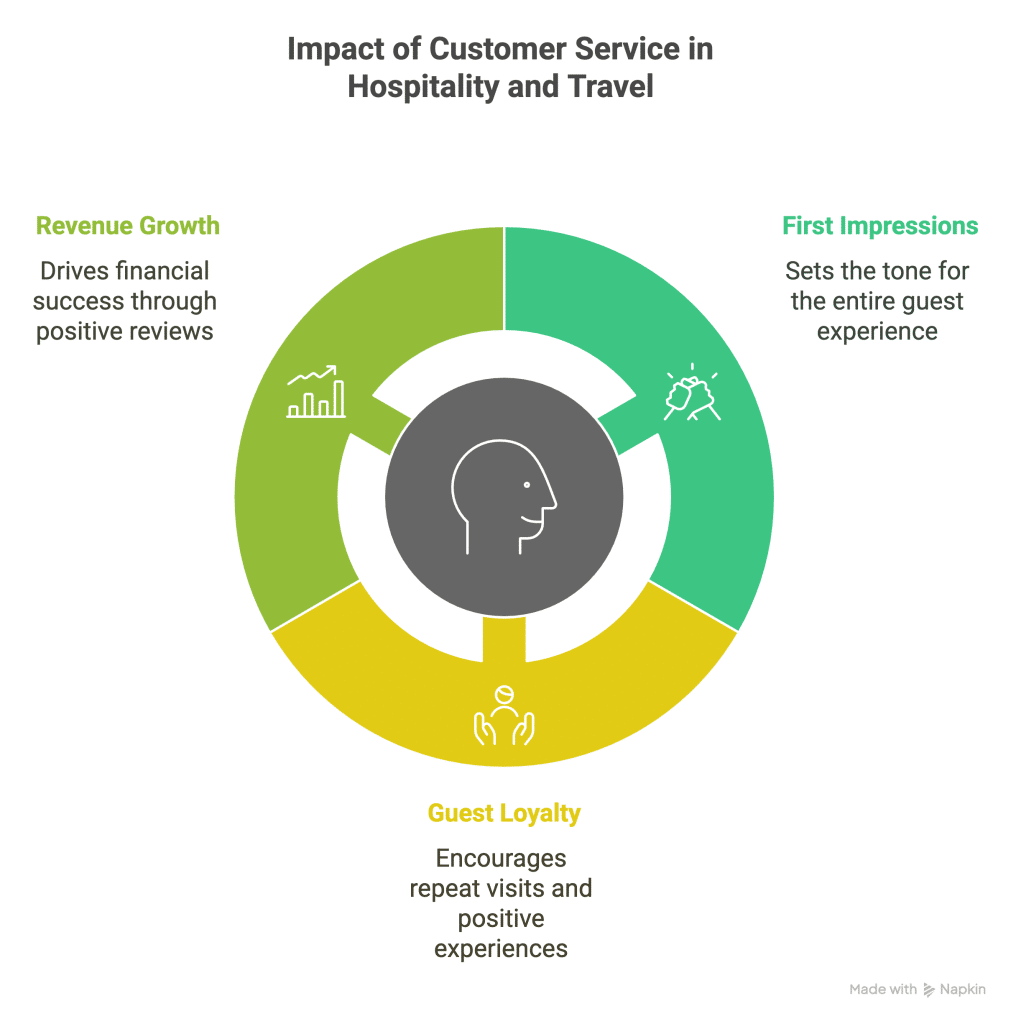
1. First impressions shape the entire stay
The moment a guest reaches out—whether by email, phone, or chat—can set the tone for their entire experience. A prompt, courteous response shows you value their time and sets a positive customer expectation.
Research shows that 81% of consumers are more likely to return if the staff create a friendly and welcoming atmosphere. Even if a hiccup occurs later in their stay, a warm initial greeting can significantly increase guest satisfaction, with studies showing up to a 65% boost.
2. Thoughtful service keeps guests coming back
Friendly, empathetic service makes people want to return. According to a study by Hampton by Hilton (in collaboration with Goldsmiths, University of London), guests who received warm, helpful service were:
- 3.5x more likely to report overall happiness during their stay
- 75% more likely to return to the same hotel
In travel, it could be as simple as resolving a luggage issue or providing assistance during a tight layover. These moments turn one-time guests into repeat customers. Of course, the opposite is also true—one bad experience can undo all the goodwill.
3. It boosts revenue and organic growth
Excellent service doesn’t just make guests happy, it lifts your bottom line.
When people have a great stay, they tell friends, post about it, and leave five-star reviews. That kind of buzz drives tangible results, all without any marketing spend. In fact, 75% of customers have recommended a brand purely because of great service.
And even small gains in guest satisfaction can yield real financial returns. According to Cornell University’s Center for Hospitality Research, a one-point increase in a hotel’s online reputation score (on a 1–5 scale) can allow it to raise prices by up to 11.2% – without seeing any drop in occupancy.
Common Challenges in Hospitality Customer Service
If you’ve ever worked a hotel desk, airport gate, or restaurant floor you’d know that hospitality is rewarding, but it’s also unpredictable. Guests arrive tired, hungry, or in a rush, and staff are expected to smooth things over instantly.
Here are some of the toughest situations frontline teams deal with:
Handling difficult or unhappy guests
It happens daily: a booking mix-up, a noisy room, or a delayed flight. The guest is upset, and the staff member becomes the target. Even if the complaints aren’t fair, they’re always directed at the person standing in front of the guest. It can be draining to absorb that frustration, especially when the problem was caused by something out of your control.
Meeting high guest expectations
One guest wants Wi-Fi strong enough for a board presentation, and another expects champagne in the room because they’re on their honeymoon. Guest expectations aren’t just high; they’re unique each time.
The J.D. Power 2025 Hotel Guest Satisfaction Index shows guests now expect things that were once “nice-to-have”, like stylish décor, spotless bathrooms, and even smart TVs, as bare minimums. In fact, nearly 40% of guests said a streaming-ready TV is non-negotiable, up from just 21% a few years ago.
For staff, that means constantly balancing impossible mixes of demands: saying no without sounding dismissive, while trying to meet ever-rising customer expectations.
Cultural differences and language barriers
Hospitality brings in people from everywhere, and that can create awkward gaps. Maybe a guest’s dietary request isn’t a preference but a religious requirement. Or perhaps a casual hand gesture means something else in their culture.
Through surveys of 132 hotel guests, researchers found something telling: 50.8% of guests felt cultural differences shaped their stay. And nearly 75% of them believe hotels should do more to understand these gaps.
And for staff, that’s the uphill battle. They’re expected to catch every nuance, often while juggling check-ins, complaints, and a dozen other tasks. Without consistent training or support, one missed cue can snowball into a bad review.
Recommended reading
Multilingual Customer Support: How To Assist A Global Audience
Staff burnout and high turnover
The polished uniforms and cheerful greetings hide a lot of fatigue. Front desk agents pulling double shifts, housekeepers rushing through endless rooms, servers on their feet for twelve hours straight can be immensely physically and mentally exhausting.
Research reveals that the hospitality industry has the highest burnout rate at 80.3% among all industries.
Needless to say, that’s why turnover is high too. The annual separation rates in leisure and hospitality hover between 70–80%, which means hotels and restaurants are constantly in hiring and training mode. For staff, that’s an endless cycle of fatigue; for guests, it often translates to inconsistent service and frayed interactions.
Maintaining consistency across teams and locations
Guests don’t separate their experience by shift or property; they see the brand as one whole. Which is why inconsistencies can stand out so sharply. If one night the service feels warm and attentive, and the next it feels rushed and distracted, guests are going to notice.
A 2023 study on the U.S. hotel industry found that performance inconsistencies like sleep quality, cleanliness, room condition, or service vary widely even within the same brand across different regions. And those inconsistencies significantly impact how guests view the brand in terms of value, satisfaction, and sentiment.
Last-minute changes and special requests
Hospitality is full of curveballs. A wedding party suddenly decides they need a full vegan menu the night before the reception. A guest shows up at midnight asking for an extra bed. Someone cancels a block of rooms hours before check-in. These sudden changes can throw schedules, staffing, and resources completely off balance.
For guests, it feels like a small ask. For staff, it’s a scramble of rearranging vendors, reassigning rooms, and reworking timelines.

How to Improve Customer Service in the Hospitality Industry: 8 Proven Ways
Improving hospitality customer service means focusing on people, processes, and the right tools. Here are seven proven best practices that leading hotels and travel brands use today to deliver positive customer experiences they’ll remember and rave about.
1. Empower your team and build a service-first culture
Your employees are the heart of hospitality. But with such high turnover rates in the industry, staff training alone isn’t enough. Empowerment is just as critical.
✅ Train deeply and often
Don’t stop at basic onboarding. Run monthly service refreshers, cross-train staff across departments (front desk, F&B, housekeeping), and assign “buddy” mentors to new hires. Role-playing real guest scenarios helps build confidence and consistency, especially in a high-churn environment.
✅ Encourage on-the-spot decision-making
Empower staff to fix issues without needing manager approval. Take a page from Ritz-Carlton, which famously allows employees to spend up to $2,000 per guest incident, no questions asked.
That kind of trust can look like offering:
- A free breakfast voucher for a guest delayed by travel
- A quiet room upgrade for a regular customer
- A small gift for a family celebrating a milestone
Give broad guidelines, then trust your team to act.
✅ Celebrate service wins
Recognition builds momentum. Spotlight employees who receive glowing guest reviews or solve issues creatively. Run weekly or monthly shoutouts (e.g., “most five-star mentions”), and create friendly incentives that reward service excellence, not just efficiency.
When employees feel supported and trusted, they show up differently. They smile more. They solve faster. And they create the kind of genuine moments that guests remember.
Recommended reading
2. Build a people-first internal culture
Behind every great guest memory is an employee who showed up for them with warmth. When staff members feel recognized and supported, they naturally extend that spirit to the people they serve. Simply put, a culture of care for guests begins with a culture of care for your hospitality staff.
✅ Prioritize fair schedules and rest
Nothing drains service faster than fatigue. Hotels that allow flexible scheduling not only reduce burnout but also keep turnover lower. Research shows that 63% of hospitality workers feel more satisfied when they can adjust their shifts, and flexibility is one of the strongest predictors of retention. Even simple steps, like letting staff contribute to monthly rosters, can help reduce stress.
✅ Connect purpose to daily work
Marriott’s founder put it best: “If we treat our employees right, they’ll treat the customers right.” In fact, a study by Marriott International found that businesses with higher employee engagement levels see a 22% lift in profitability and a 21% increase in productivity compared to companies with lower engagement.
Managers can bring this purpose to life by sharing guest stories during pre-shift huddles, pointing out the impact of everyday tasks, and reminding employees that they’re creating meaningful memories, not just completing transactions.
3. Define the responsibilities and qualities of frontline staff
Frontline employees are the heartbeat of any hotel. They’re the first hello, the quick problem-solver, and often the deciding factor between a forgettable stay and one that becomes a story guests share long after checkout.
Some of the key support skills hospitality staff need include empathy to read situations, flexibility to handle surprises, and clear communication so guests always feel in the know. When teams get these skills right, guests leave feeling genuinely cared for.
✅ Guest interaction
From check-in to checkout, small moments matter. Here are some tips to nail hospitality customer interactions:
- Train for active listening: Role-play scenarios where staff repeat back concerns. This builds trust.
- Coach body language: A warm tone and eye contact often matter more than the exact words.
- Shadow and feedback: Pair new hires with top performers so they see great interactions in action.
✅ Upselling that feels natural
Upselling doesn’t need to feel like selling. A concierge who hears a guest mention art and offers gallery tickets is personalizing, not pushing. Studies show these timely, relevant suggestions lift both satisfaction and revenue.
- Base it on cues: If a guest asks about jogging paths, suggest the spa’s sports massage package. If they mention wine, highlight your tasting tour.
- Teach “if/then” prompts: “If a guest orders room service breakfast, ask if they’d like a late checkout.” This keeps upsells contextual, not pushy.
- Celebrate good upsells: Share examples of when upselling improved both revenue and guest satisfaction.
✅ Problem resolution
Frontline staff are often the first to hear about problems, from a noisy room to a delayed shuttle. How they handle these moments can make or break the guest experience. Training staff to apologize sincerely, act with urgency, and offer small gestures of recovery (like a complimentary drink or late checkout) turns a negative into an opportunity to build loyalty.
Recommended reading
Customer Service Recovery: What It Is and How to Do It Right
4. Personalize every guest’s stay
Medallia research finds 61% of travelers are willing to pay more for a customized experience, yet only about a quarter of hotel guests feel their stay is truly tailored. That’s a gap worth closing.
From booking to checkout, small gestures based on real guest data can make a big impact. Here’s how leading brands do it, and how you can too.
✅ Use information from guest profiles to anticipate needs
Your CRM should be more than a booking log. Use it to track preferences like:
- Room type or floor level
- Pillow firmness or dietary needs
- Loyalty tier, birthdays, or special occasions
Ritz-Carlton nails this with its “Mystique” database, which tracks their guests’ likes (extra pillows, morning coffee, favorite snacks) across properties. If someone orders chamomile tea in New York, it’ll be waiting in their room in London.
Similarly, Four Seasons notes dietary restrictions and special occasions so teams can surprise guests (yoga on the terrace, anniversary wine) without being asked.
Just noting preferences and acting on them shows guests they’re more than just a reservation ID.

✅ Customize the customer’s experience
Greet loyalty members by name and recognize their tier. Offer personalized upsells and additional services when it’s right (e.g. a discounted spa package because you know this guest loves wellness). When guests are celebrating something, pre-empt them with a small gesture—flowers, a note, or an upgraded amenity.
✅ Offer tech-driven personalization and choice
Give guests control via technology (mobile check-in/keys, in-room tablets) so that they can set room temperature or choose pillow types themselves. Encourage guests to use your loyalty app or web profile before arrival to note extra information (late check-in time, preferred floor).
One analysis found that the average lifetime value of a satisfied hotel guest can be substantial. For instance, by enhancing guest experiences through wellness offerings, hotels can significantly increase per-stay spending (to $830), visit frequency (to 1.25 times per year), and extend the guest’s active travel years (up to age 55). That’s a potential lifetime value of over $57,000, which is a 254% increase.
5. Embrace technology to enhance service quality
Today’s travelers expect digital ease, with a human touch. To meet those expectations, your support team needs tools that reduce manual effort, respond faster, and keep everything running smoothly behind the scenes.
Here are four types of tech investments that make a real impact:
✅ Helpdesk systems: Centralize communication and stay on top of requests
Behind every smooth guest experience is a well-oiled support system. In travel and hospitality, that often means juggling:
- Booking forms
- Last-minute changes
- Social media DMs
- Overflowing inboxes across locations and shifts
Without the right helpdesk platform, messages get missed and guests are left waiting.
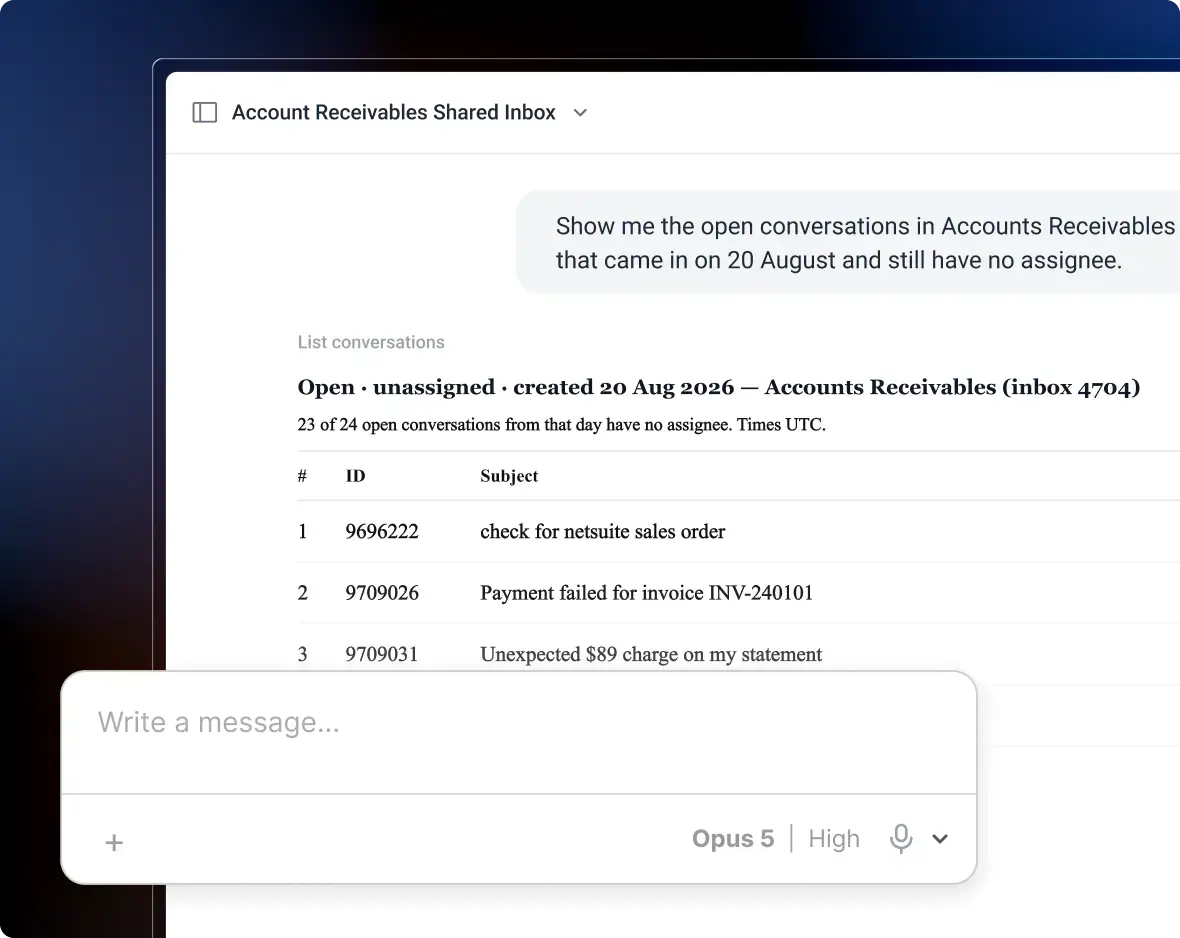
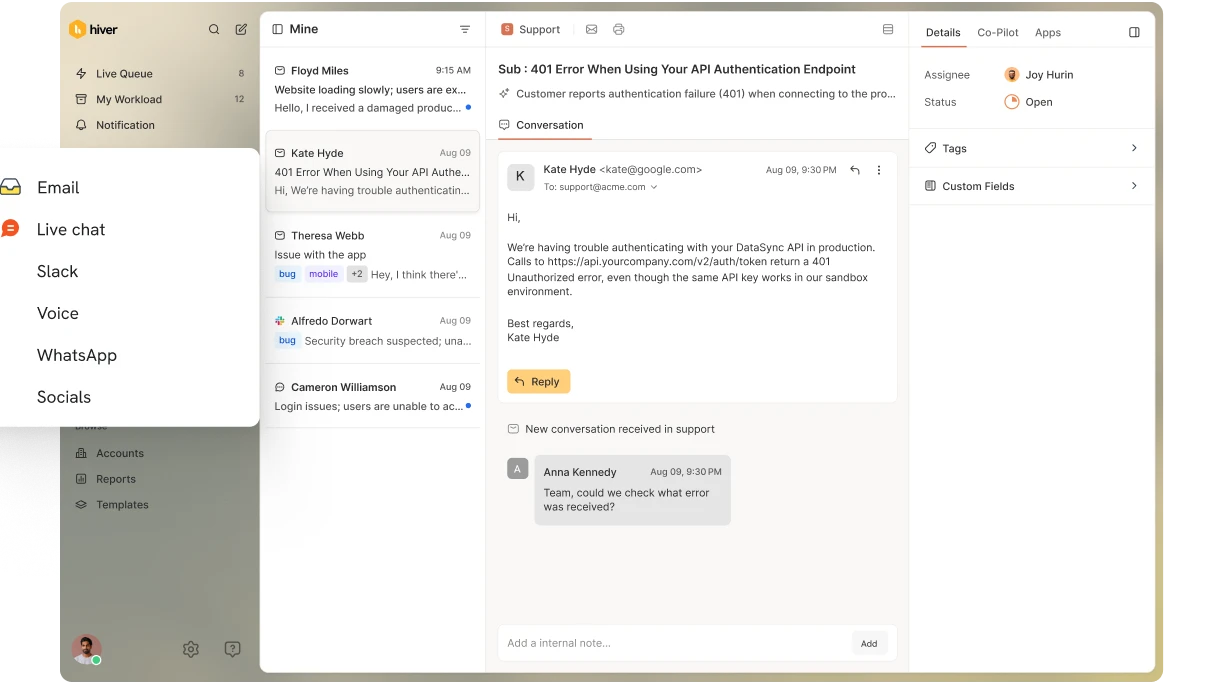
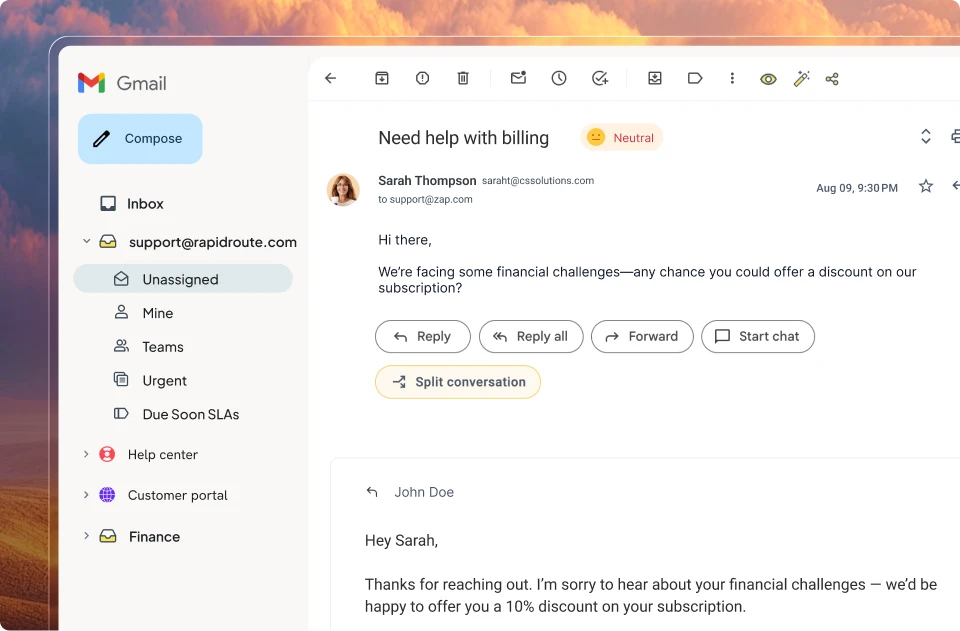
That’s where a tool like Hiver helps. It brings all guest communication into one shared, intuitive workspace, so your team always knows what needs attention. You can assign clear owners to conversations, add internal notes to share context, tag urgent issues for visibility, and set SLAs to ensure nothing slips through the cracks.
Company Spotlight: When Travelist, a Polish travel booking platform, saw a spike in customer queries, things quickly became chaotic. There were multiple inboxes, overlapping threads, and support emails slipping between shifts. Switching to Hiver changed that. With a shared inbox and internal SLAs in place, the team finally had complete visibility on who was handling what, what was urgent, and what still needed attention. First-response times dropped by 50%, they saved over 324 hours a month, and no one had to chase email trails anymore.

“Every team member knows exactly what they have to work on, and what their workload for the day looks like. There are no SLA violations now.”
Jędrzej Dąbrowski
Former Junior Product Manager at Travelist
✅ 24/7 chatbots: Automate routine queries (and delight guests who hate waiting)
Not every question needs a human. Chatbots can handle:
- Booking confirmations
- Reservation changes
- Room service requests
- FAQs in multiple languages
They’re especially valuable when reception is closed or staff is stretched thin. And by handling the routine stuff, bots free up your team for higher-touch service.
✅ Mobile and self-service options: Give guests control
Modern guests want convenience and the ability to control parts of their stay without needing to call the front desk. Mobile check-in and digital room keys make arrivals seamless. Online concierge services or in-room tablets let guests manage preferences, order amenities, or adjust room settings on their own terms.
Hilton’s Digital Key is an excellent example of this. With it, guests can unlock doors from their smartphone. Not only do facilities like these thrill tech-savvy travellers, but they also free up staff to focus on being present for customers when they need them the most.

✅ AI assistants: Personalize experiences at scale
Hotels like Marriott Renaissance are now piloting AI concierges like RENAI, which combine ChatGPT with valuable insights offered by the staff to provide hyper-local, personalized suggestions.
Even lighter-touch uses—like automated upsell suggestions or email summarization—can enhance guest communication without losing the human element.
Recommended reading
6. Streamline communication and responsiveness
Even the best tech falls flat if your team isn’t aligned. Internal silos slow everything down. A guest might call about a billing issue, but the front desk doesn’t realize housekeeping already flagged it. Or a request comes in over email and gets lost between shifts. That’s where clear, real-time communication across departments makes all the difference.
✅ Be omnichannel but unified
Guests might email, call, text, or message on a social media app. They shouldn’t have to repeat themselves just because they switch channels. Use tools that log every guest interaction centrally. For example, if a guest emails and later calls, the support staff should see the original request on-screen. When a message comes in on Instagram or WhatsApp, it should be flagged alongside emails. A unified view ensures your team has context.
✅ Set internal response targets
Speed matters in hospitality. Set service-level goals like replying to all digital inquiries within four hours, and hold your team to them. A helpdesk like Hiver can automate this with SLA tracking, reminders, and clear ownership.
Company Spotlight: The travel agency Kiwi.com was juggling support via Gmail lists, leading to overlapping threads, unclear responsibility, and missed follow-ups. After switching to Hiver, they rolled out shared inboxes and set up automated assignments. The result? A 100% SLA success rate, 167 hours saved per month, and faster responses to partners.
✅ Communicate proactively
Don’t wait for guests to follow up. If you know a flight is delayed, let them know check-in is flexible. If the pool floods, alert swimmers in advance. This kind of proactive service reduces anxiety, builds trust, and shows guests they’re genuinely cared for. Even a simple message—“We’re expecting you at 3 p.m., let us know if your plans change”—shows you’re anticipating needs, not just reacting.
✅ Break down department silos
Make sure front desk, housekeeping, F&B, and engineering are all working with the same guest context. Use internal tools—@mentions, notes, and property management flags—to sync special requests. If a VIP complains about noise, housekeeping can prepare a new suite while ops investigates the issue. When everyone shares information, your team moves as one.

Recommended reading
5 Effective Strategies to Improve Cross-Team Communication in Your Organization
7. Gather customer feedback and measure success
You can’t improve what you don’t measure. In hospitality, that means actively listening at every stage of the guest journey. From post-stay surveys to in-the-moment ratings, every touchpoint is an opportunity to gather customer insights and learn what’s working and what’s not.
Here are three reliable ways to gather and act on feedback:
✅ Surveys and scores
Send short surveys after key moments like check-in, mid-stay, or checkout. Track metrics like CSAT (Customer Satisfaction Score) to assess how guests feel in the moment, and NPS (Net Promoter Score) to gauge long-term loyalty.
For example, a quick 1–5 CSAT after check-in can tell you whether the greeting and room service hit the mark.
✅ Online reviews
Monitor platforms like TripAdvisor, Google, and Yelp, because guests are already talking about you there. Positive reviews can become internal morale boosters, while negative ones are often the most actionable feedback you’ll get.
Always respond, even if briefly. Thank happy guests, and when issues are raised, acknowledge the problem and explain how you’ll fix it.
✅ Internal service metrics
Operational service metrics are just as important as guest-facing ones. Track:
- Average email and call response time
- Time to resolve customer complaints
- Frequency of repeat issues
Use your CRM or helpdesk dashboards (like Hiver’s) to spot trends. For instance, if Wi-Fi complaints spike every summer, it may point to a capacity issue and not just a one-off glitch.
8. Streamline partner and vendor workflows
Third-party vendors—whether it’s linen services, airport shuttles, F&B suppliers, or outsourced tech teams—may be invisible to guests, but their performance shapes how your service is perceived.
A late transfer, a minibar that was never restocked, or a spa therapist who doesn’t show up can easily turn into your brand’s problem. That’s why tight coordination with external partners is critical to delivering consistently great service.
✅ Centralize vendor communication
Don’t rely on individual staff to manage vendor emails ad hoc. Use shared tools or portals where all requests and updates are tracked in one place. For example, a vendor dashboard can log laundry pickups or notify the front desk when a spa therapist is on-site.
✅ Automate recurring tasks
Replace manual reminders with smart triggers. A linen shortage logged by housekeeping can auto-notify your laundry vendor. Minibar restocking? Let inventory scans trigger orders. Automation prevents oversights and keeps the focus on service, not chasing checklists.
✅ Set shared service standards
Align your SLAs with that of your vendors. If you promise four-hour response times, so should they. Track performance regularly through metrics like on-time delivery or task resolution, plus qualitative guest feedback. If a vendor underperforms, don’t hesitate to reevaluate.
✅ Build feedback loops
Ask vendors how your processes can improve. Are schedules clear? Are requests coming in too late? Two-way feedback smooths coordination and strengthens partnerships over time.
Examples of Excellent Travel and Hospitality Customer Service
Excellent service isn’t just about efficiency; it’s about empathy, initiative, and going above and beyond when it matters most. These three U.S.-based travel and hospitality brands have delivered memorable experiences that left lasting impressions on guests.
Delta Air Lines – Enabling a final goodbye
In late 2024, the crew at Delta Airlines compassionately helped a passenger reach her dying mother. When Hannah White’s first flight from Dallas was delayed, the pilot (Capt. Keith Napolitano) contacted the Minneapolis crew and held the connecting flight nearly 30 minutes so she could make her layover. Delta staff then moved White to the front of the plane for a quick exit and even provided an airport map.
White says the airline’s “kindness gave me 24 extra hours with her; I was able to say ‘I love you’ one last time”. Social media users flooded with praise, calling the crew’s actions “humanity” in action.

Kimpton Hotel Monaco – A surrogate family
A boutique Kimpton property became an extended family for a dying cancer patient. When Philadelphia visitor Robert Barnett was hospitalized, front-desk manager Kayla and the staff regularly showed up with surprises.
They even brought birthday cake and party favors into his hospital room. Over time, the concierge Roshid made Robert a custom mixtape, and the bellman “Coach” presented a football signed by all staff. One night, the hotel chef prepared Robert’s favorite steak. These personal gestures deeply moved Robert and his family, who describe the Monaco team as a “surrogate family” providing warmth during his toughest days.

Hilton Hotel – Personalizing a guest’s stay with humor and heart
A guest at a U.S. Hilton property made a tongue-in-cheek request for Point Break movie posters on his reservation form. When he checked in, the front desk team fulfilled the request by placing a printed photo of Keanu Reeves and Patrick Swayze’s characters on his pillow. The guest was amazed and posted the surprise on social media. His tweet (with over 9,000 retweets) praised the hotel staff for going “outside the norm” to honor his odd request.

The True ROI of Thoughtful Hospitality
Exceptional hospitality doesn’t come from policies or perks alone. It comes from people who notice, care, and act with a genuine desire to serve.
The best hospitality businesses embed this mindset into their daily rhythm. It shows up in the way they greet guests, solve problems, and recover when things go wrong.
But consistency like that doesn’t happen by chance. It takes systems that give your team clarity, tools that ensure no message gets missed, and workflows that reduce the noise so your staff can focus on what really matters: the guest in front of them.
That’s where a platform like Hiver helps. It brings structure to guest communication, keeps every conversation visible and accountable, and removes the guesswork from team coordination.
Whether you’re on the front lines or in hotel management, systems like Hiver help build structure that supports lasting guest satisfaction.
Sign up for a free trial today!
Frequently Asked Questions
How do you handle difficult guests?
To handle difficult guests effectively, stay calm, listen actively, and respond with empathy. The goal is to de-escalate without sounding defensive, and resolve the issue with care.
Here’s how to approach it step-by-step:
1. Give your full attention. Avoid multitasking or interrupting.
2. Apologize sincerely, even if it’s not your fault. “I’m really sorry that happened” goes a long way.
3. Ask clarifying questions to get to the root of their frustration.
4. Offer simple choices to give guests control—e.g., “Would you prefer a room change or a late checkout?”
5. Empower staff to act on the spot. A drink voucher or a thoughtful note can defuse tension.
6. Follow up after resolution to make sure the guest is satisfied.
If things escalate, ensure a calm, senior staff member is looped in quickly. Most unhappy guests just want to feel heard—and handled with care.
What tools improve customer service in travel and tourism?
The best tools for improving customer service in hospitality are those that centralize communication, personalize interactions, and enable faster responses.
Your essential toolkit should include:
– Shared inbox or helpdesk: Keeps emails, chats, and requests organized
– CRM: Tracks guest preferences, history, and issues for better personalization.
– Feedback tools: Collect customer satisfaction scores (CSAT), Net Promoter Score (NPS), and online reviews to spot trends early.
– Automation features: For tagging, routing, SLA alerts, and follow-ups across shifts.
Look for solutions that give your team a unified view of guest interactions. That’s how you stay responsive at scale.
How do you personalize hospitality experiences at scale?
Personalizing hospitality at scale starts with structured data and ends with thoughtful action.
Here’s how to do it:
– Collect guest preferences early through booking forms and pre-arrival emails
– Segment guests (e.g., business, honeymooners, families) and tailor experiences accordingly
– Log small details over time: allergies, coffee preferences, workout habits
– Automate personalized touchpoints like birthday messages, room upgrades, or pre-check-in notes
– Use loyalty tiers and past feedback to surprise guests with custom perks
What does great customer service look like in travel and tourism?
Great customer service in travel and tourism is proactive, personal, and responsive. It means solving issues quickly, anticipating customer needs, and making each guest feel genuinely cared for, whether they’re booking a flight or checking into a hotel. When guests feel cared for at every stage, that’s exceptional service in action.
How can hospitality teams reduce response times without sacrificing quality?
To reduce guest response times in hospitality, streamline team workflows and eliminate manual back-and-forth.
Best practices include:
– Using a shared inbox or helpdesk to assign and track ownership clearly
– Setting internal SLAs and automated reminders for response deadlines
– Centralizing all guest communication (email, phone, social) into one system
– Empowering staff to resolve common issues without waiting for approval
Want us to send you
awesome content?
Thanks for subscribing!