What is Call Listening and How Does it Help Support Agents?

Written by

Reviewed by

Written by

Reviewed by

Expert Verified

Last update: August 12, 2025

Table of contents

    Your best support agent just wrapped up a challenging call with an upset customer. You’re curious how it went, but all you see is a “resolved” status update.

    Sound familiar?

    For many teams, call listening is treated like a checkbox activity. Managers drop in occasionally, search for glaring mistakes, and offer vague feedback that rarely drives real improvement.

    The result? Agents feel monitored, not mentored. And meaningful coaching moments get missed.

    But real call listening looks different.

    It’s about paying attention to those breakthrough moments that show what your top performers do differently. Call listening can build agent confidence, improve customer satisfaction, and help you spot patterns that strengthen your entire support team.

    In this post, we’ll show you how to turn call listening into a coaching strategy that actually supports your agents and improves customer experience.

    Table of Contents

    What is Call Listening?

    Call listening is the practice of monitoring live or recorded customer conversations to improve agent performance, identify training opportunities, and ensure consistent service quality

    Unlike traditional quality assurance that focuses on compliance, effective call listening examines the full customer interaction to understand what works and what doesn’t.

    For example, imagine listening to a call where a customer is clearly frustrated because they can’t find their billing information. The agent calmly walks them through it, clears up the confusion, and ends the call on a positive note. 

    That one interaction gives you real insight into what your customers are struggling with—and what your agents are doing well. Multiply that by dozens of calls a week, and you’ve got a goldmine of feedback to improve your support.

    Why Call Listening Matters for Your Support Team

    The importance of call listening for your support team
    The importance of call listening for your support team

    When customers have a poor experience, they rarely complain directly. In fact, 56% of consumers simply switch to a competitor after a negative interaction. 

    That makes every customer conversation critical to your business success.

    Call listening helps you catch and fix issues before they drive customers away. Here’s also why it’s crucial for your team: 

    🤝 Builds Agent Confidence Through Targeted Feedback

    Generic feedback sessions don’t help agents improve. Call listening lets you point to specific moments when an agent handled a difficult situation well or missed an opportunity to build rapport. 

    When agents understand exactly what good performance looks like, they can replicate it consistently.

    ⬆️ Improves Customer Satisfaction at Scale

    Listening to actual conversations reveals the difference between resolving an issue and creating a positive experience. 

    You might discover that customers appreciate when agents explain the next steps clearly or that certain phrases make them feel heard and valued. These insights help your entire team deliver more personalized, empathetic support

    🧳 Identifies Training Gaps Before They Become Problems

    Call listening shows you where agents struggle in real time. Maybe new hires need more practice with billing questions, or experienced agents are missing opportunities to educate customers about helpful features. 

    This data helps you design targeted training that addresses actual needs rather than generic skill gaps.

    🌞Did you know?


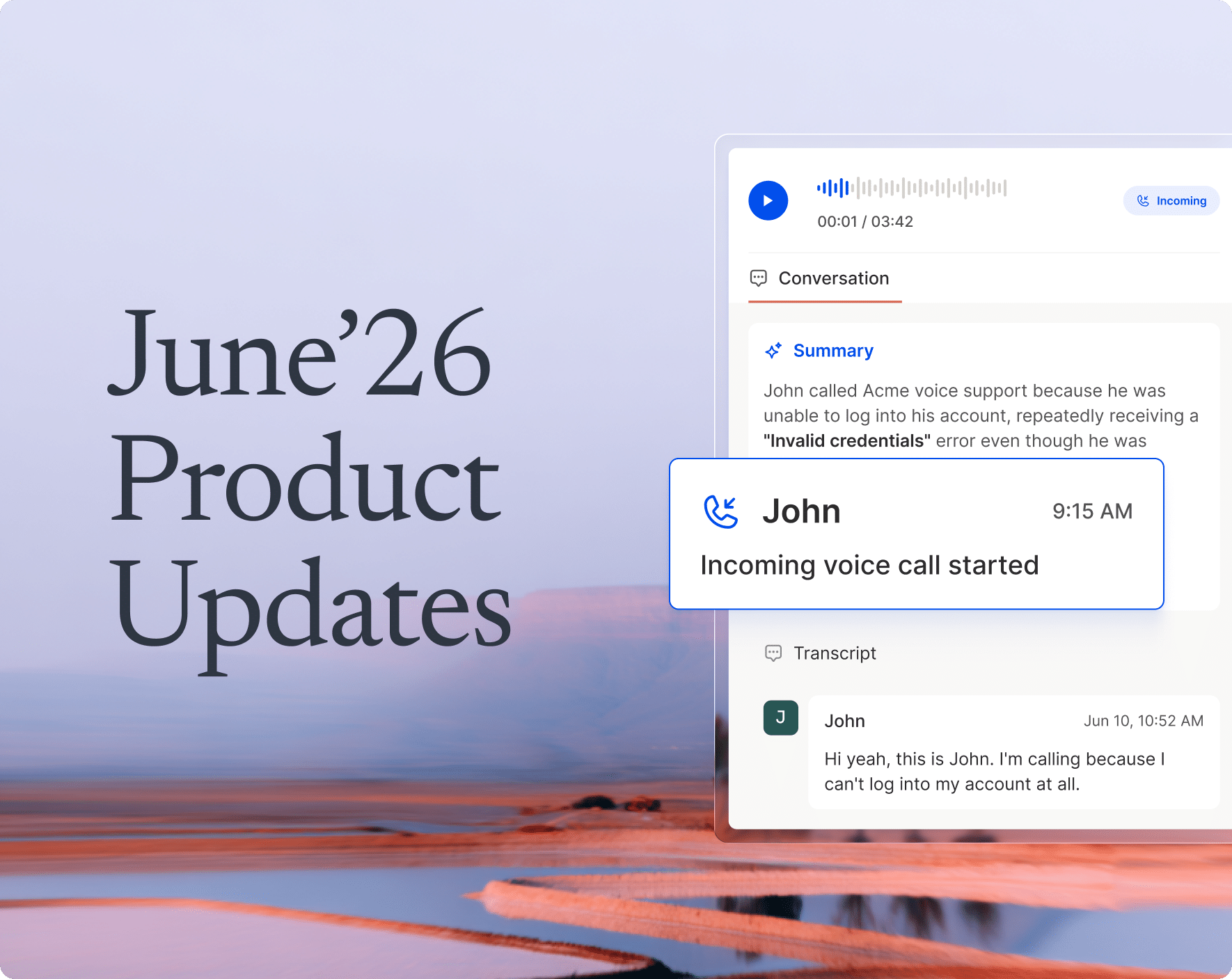
    With Hiver’s Aircall integration, every customer call is recorded and synced with the corresponding email thread—right inside your inbox. This gives managers an instant window into how agents are handling different situations.

    Hiver’s Aircall integration to record calls
    Hiver’s Aircall integration to record calls

    Let’s say new agents are consistently fumbling on refund policies. Instead of guessing, you can review those specific call segments and spot what needs work. You also get insights into call durations and sentiment trends, helping you tailor training to real challenges your team faces, not just assumptions.

    What are the Types of Call Listening Techniques?

    Types of call listening for customer support teams
    Types of call listening for customer support teams

    There’s more than one way to listen in on support calls—and each method offers unique benefits depending on your goals. Here’s a breakdown:

    Live Listening

    Live listening is when a manager or supervisor listens in on an ongoing call without the customer or agent’s knowledge. This technique works best when agents are learning new skills or dealing with complex issues that might escalate.

    When to use it: New agent training, high-stakes customer situations, or when you need to step in quickly to prevent problems.

    How it helps: Supervisors can provide immediate guidance without disrupting the conversation, and agents feel supported rather than monitored.

    Example: A new agent is speaking with a frustrated customer about a double charge on their account. The supervisor listens in silently, ready to send a quick chat tip or step in if the situation gets too tense. After the call, they walk the agent through what went well and what could be improved, turning the experience into a live coaching moment.

    Whispering

    Whispering allows supervisors to coach agents during live calls without customers hearing the conversation. This technique provides real-time guidance while letting agents maintain control of the interaction.

    When to use it: Complex product questions, emotional customer situations, or when agents need confidence-building support.

    How it helps: Agents get immediate coaching without feeling embarrassed or losing credibility with customers.

    Example: An agent is speaking with a customer who’s frustrated about a recent software update and asking highly technical questions. The supervisor whispers key product details and reassurance tips, helping the agent respond with confidence and keep the call calm and professional.

    Barging

    Barging is when a supervisor actively joins the call during the conversation so the agent and customer can hear them. This technique should be used sparingly, primarily when situations require immediate supervisor intervention.

    When to use it: Escalated complaints, requests for management authorization, or when customer satisfaction is at serious risk.

    How it helps: Provides immediate resolution for complex issues and demonstrates management commitment to customer success.

    Example: A customer is requesting an exception to a policy before finalizing a large contract. The agent isn’t authorized to make the call, so the supervisor jumps in to approve the request, explain the decision directly, and reassure the customer—helping to close the deal in real time.

    Call Recording

    Call recording saves the entire conversation between the agent and customer for later review. This technique allows for detailed analysis and systematic improvement across your entire team.

    When to use it: Performance reviews, training development, compliance monitoring, and identifying service patterns.

    How it helps: Enables thorough analysis of communication patterns, problem-solving approaches, and customer satisfaction drivers.

    Example: After noticing a dip in customer satisfaction scores, a manager reviews a batch of recorded calls. They realize agents are resolving issues quickly but skipping clear explanations. Customers are leaving the calls confused, even if their problems are technically solved. 


    This insight helps the team adjust their training to focus more on clear, customer-friendly communication.

    How to Set Up Call Listening: A Step-by-Step Guide

    To make call listening truly effective, you need more than just a basic setup. It should be intentional, structured, and tied to clear goals. Here’s how to get started.

    Define Clear Objectives

    Start by identifying what you want to accomplish with call listening. Vague goals like “improve quality” don’t provide direction for your team. Instead, set specific objectives that tie directly to business outcomes.

    Example SMART goal: By the end of Q3, lift first-call resolution from 75% to 80%. Achieve this by reviewing five calls per agent every week, giving pointed feedback in team huddles, and tracking improvements on a simple shared sheet. It’s considered a success once 80% holds steady for a full month.

    Choose the Right Call Listening Technology

    Choose a call-listening tool that integrates seamlessly with your existing customer service processes and provides the features you need. Some features to look for include:

    • Real-time monitoring capabilities: Choose a system that allows you to listen to calls live so you can provide immediate support if needed.
    • Call recording and storage: Ensure your system can record calls for later evaluation, training, and compliance purposes.
    • Analytics and reporting: Look for software that offers insights into common issues, trends, and performance metrics so you can identify areas for improvement.
    • Integration with your CRM or helpdesk: Consider tools that integrate with your existing systems, such as helpdesk software to centralize data and streamline workflows.

    Pro tip: Before committing to a platform, test it with a small group of agents to ensure it doesn’t disrupt their workflow or slow down customer interactions.

    🌞 Did you know? 


    Call listening becomes even more powerful when integrated with your customer support workflow. With tools such as Hiver and its Aircall integration, your team can manage calls seamlessly within Gmail while maintaining complete visibility into customer interactions.

    Hiver’s Aircall Integration for Call Listening
    Hiver’s Aircall Integration for Call Listening

    Here’s an overview of what you get:

    • Calls automatically log into email threads, giving agents instant access to customer history and context
    • No need to switch between multiple platforms while monitoring or reviewing calls.
    • All interaction data stays centralized in your shared inbox for easy review and analysis.
    • Track call metrics alongside email and chat data to get a complete picture of customer support performance.

    This way, you combine call listening with a tool that helps track, assess, and identify improvement opportunities.

    Train Your Team on Best Practices

    Both agents and supervisors need training on how call listening works and what it’s designed to accomplish. Once the objectives and technology are in place, the next step is to train your team. 

    Here’s how you can ensure everyone is on the same page:

    For AgentsFor Managers
    Set clear expectations for feedbackLet agents know their calls will be reviewed and explain that feedback is meant to help them grow—not penalize them.Clarify monitoring guidelinesSet clear rules around when and how calls will be reviewed (live, recorded, etc.), and what you’ll be evaluating, such as professionalism, problem-solving, and script adherence.
    Build active listening habitsTrain agents to listen beyond just words—paying attention to tone, emotion, and the customer’s underlying needs.Offer real-time coachingDuring live listening or whispering, provide immediate, helpful guidance. Make sure agents feel supported rather than scrutinized.
    Practice with role-playRun mock calls using real scenarios to help agents prepare for tough conversations and sharpen their response strategies.Review recordings regularlyUse recorded calls to spot patterns, identify recurring issues, and coach agents on how to handle similar situations better next time.
    Stay empathetic and professionalReinforce the importance of calm, respectful communication—even when dealing with difficult situations.Create a feedback loopFoster two-way conversations after reviews. Let agents share what worked, what didn’t, and how they’d improve—building a culture of ongoing learning.

    Integrate Call Listening Into Daily Operations

    Make call listening a regular part of your support routine rather than an occasional activity. 

    Schedule consistent review sessions, create feedback loops that help agents improve continuously, and use insights from call analysis to refine your training programs.

    💡Pro Tip: Start with one review session per agent per week, focusing on both successes and improvement opportunities. Use recorded calls to illustrate best practices during team meetings and training sessions.

    Track and Measure Success

    As with any new initiative, it’s crucial to monitor the success of your call listening process. Here’s how to evaluate the impact of your efforts:

    • Track performance metrics: Use your customer support software to track key performance indicators (KPIs), such as average handle time, first call resolution, and CSAT scores.
    • Conduct regular performance reviews: Review the call listening data periodically and identify areas for improvement. Praise agents for their strong performance and provide targeted coaching for those who need support.
    • Measure customer satisfaction: Use surveys, follow-up calls, or sentiment analysis tools to gauge whether customers feel their issues were resolved effectively and whether they had a positive experience.

    Best Practices for Effective Call Listening

    To truly benefit from call listening, it’s important to go beyond monitoring conversations and use it as a tool to improve empathy, coaching, and overall customer experience. Here’s how to do it:

    Focus on Emotional Intelligence

    The most successful customer interactions happen when agents recognize and respond appropriately to customer emotions. Look for moments when agents demonstrate empathy, patience, and understanding. These soft skills often matter more than technical knowledge for customer satisfaction.

    📞What to listen for: How agents acknowledge customer frustration, their tone when delivering difficult news, and their ability to remain calm under pressure.

    Be Transparent About Monitoring

    Always inform agents and customers when calls are being monitored or recorded. Transparency builds trust and ensures compliance with privacy regulations. Agents perform better when they understand monitoring is for improvement, not punishment.

    📝Best practice: Use clear call disclosures and explain to your team how call listening data will be used to support their professional development.

    Deliver Constructive Feedback

    When sharing feedback from call listening sessions, focus on specific behaviors and how they affect the customer experience. Start by pointing out what the agent did well. Then, offer clear suggestions they can apply in future conversations to make them even better.

    Example feedback template: “I noticed how you acknowledged the customer’s frustration right away in yesterday’s call. That helped defuse the situation quickly. For next time, try explaining the next steps more clearly so customers know what to expect.”

    Use Call Data for Continuous Improvement

    Look beyond individual performance to identify patterns across your entire support operation

    Common customer complaints might reveal product issues, frequent agent questions might indicate training gaps, and successful resolution techniques can be shared across the team.

    Example: Track recurring themes in customer calls, analyze which approaches lead to higher satisfaction scores, and use these insights to refine your support processes.

    Transform Your Support Quality with Call Listening

    Call listening is one such technique that can transform customer support from a reactive process into a proactive system. 

    When you listen to actual customer conversations, you gain insights that surveys and metrics alone can’t provide.

    To begin, start with a simple approach. Implement one call review session per agent each week. Focus on highlighting both successes and areas for improvement. With these insights, you can refine your existing training programs and support processes.

    Frequently Asked Questions

    How often should managers listen to agent calls?

    Effective call listening programs typically involve reviewing 3-5 calls per agent per week. This frequency provides enough data to identify patterns and improvement opportunities without overwhelming supervisors or making agents feel over-monitored.

    What’s the difference between call listening and call monitoring?

    Call listening focuses on understanding customer interactions to improve service quality and agent performance. Call monitoring is typically compliance-focused, checking whether agents follow specific scripts or procedures. Call listening is more holistic and improvement-oriented.

    Do customers need to know their calls are being monitored?

    Yes, customers should always be informed when calls are being recorded or monitored. This transparency ensures compliance with privacy regulations and builds trust. Most customers accept monitoring when they understand it’s used to improve service quality.

    How can call listening improve first-call resolution rates?

    Call listening helps identify why issues aren’t resolved on the first contact. Common reasons include incomplete information gathering, inadequate problem-solving skills, or lack of product knowledge. Targeted training based on call insights can address these specific gaps.

    What tools integrate well with call listening systems?

    The best call-listening programs integrate with your existing CRM, help desk software, and communication platforms. This integration ensures customer context is available during calls and call data feeds into your broader support analytics and reporting systems.

    Start using Hiver today

    • Collaborate with ease
    • Manage high email volume
    • Leverage AI for stellar service

    Author

    Navya is a content marketer who loves deconstructing complex ideas to make them more accessible for customer service, HR and IT teams. Her expertise lies in empowering these teams with information on selecting the right tools and implementing best practices to drive efficiency. When not typing away, you’ll likely find her sketching or exploring the newest café in town.

    Finally, a customer service platform you can set up in 15 minutes

    10,000+ teams found a better way to
    deliver customer service. Your turn.

    Get unlimited users on the Free plan  ✦  No credit card needed

    based on 2,000+ reviews from

    Get Hiver's Chrome extension for Gmail to start your 7-day free trial!

    Step 1

    Add Hiver’s extension to your Gmail from the Chrome Webstore

    Step 2

    Log in to the extension to grant necessary permissions

    Step 3

    Enjoy your 7-day free trial of Hiver

    The modern AI-powered
    customer service platform

    Not ready to install Hiver’s Gmail extension?

    That’s okay. Would you be open to try Hiver’s standalone web-based customer 

    service platform, which does not require downloading the Gmail extension?

    Thank you for your interest!

    The web app is currently under development—we’ll notify you as soon as it’s live.

    In the meantime, you can get started with your 7-day free trial by downloading our Gmail extension.

    The modern AI-powered
    customer service platform

    Book your slot

    Awesome! We've reserved your spot.

    You’ll receive an email shortly with the details. Don’t forget to add to your calendar!

    “Our clients choose us over competitors due to our speed and quality of communication. We couldn’t achieve this without Hiver”

    Fin Brown

    Project Manager

    Getitmade@2x

    Get in touch with us

    Fill out the form and we’ll get back to you.

    demo popup graphic

    Get a personalized demo

    Connect with our customer champion to explore how teams like you leverage Hiver to: