Skip to content


When a family left their son’s stuffed giraffe, Joshie, at the Ritz-Carlton in Florida, the staff didn’t just find it; they staged a story.

The hotel staff sent back a package via mail containing Joshie and photos documenting his “extended vacation.” There he was, lounging by the pool, enjoying spa treatments, and even helping with security operations!
This story went viral back in 2012 but there are lessons from it that, even today, can shape any hotel’s customer service strategy.
Today’s guests demand exceptional service at every touchpoint. They want personalization without asking, instant resolution across any channel, and experiences worth sharing on social media.
In this guide, we’ll explore why customer service matters more than ever for hotels and share nine practical strategies to help your property create standout moments.
Table of Contents
- What is Hotel Customer Service?
- What Are the Benefits of Delivering Great Customer Service in Hotels?
- 9 Strategies to Improve Hotel Customer Service (With Examples)
- 1. Train Staff to Anticipate Guest Needs
- 2. Personalize Every Guest Interaction
- 3. Communicate Proactively Across All Channels
- 4. Collaborative Seamlessly Across Departments
- 5. Automate Routine Tasks
- 6. Collect and Act on Real-Time Feedback
- 7. Turn Mistakes into Loyalty Moments
- 8. Build Loyalty Programs that Reward Guest Engagement
- 9. Monitor Competitor and Industry Benchmarks Regularly
- Key Metrics to Track for Hotel Customer Service
- Great Hospitality Starts with Great Customer Service
- Frequently Asked Questions
What is Hotel Customer Service?
Hotel customer service covers every interaction that shapes the guest experience – before, during, and after the stay. It includes:
- Pre-arrival communication: Booking confirmations, early check-in requests, personalized recommendations
- On-property service: Front desk interactions, room readiness, concierge requests
- In-stay support: Room service, maintenance issues, local information
- Issue resolution: How quickly and effectively staff handle problems
- Post-stay engagement: Feedback collection, loyalty programs, rebooking incentives
What’s changed drastically in recent times is how these services are delivered. Modern hotel customer service happens across multiple channels (email, messaging apps, social media, and in-person interactions), often simultaneously.
And the journey isn’t linear. During a single stay, a guest might message about early check-in on WhatsApp, ask for dining recommendations via the hotel app, and follow up about a billing issue by email.
What Are the Benefits of Delivering Great Customer Service in Hotels?
Hotels that invest in strong customer service see more direct bookings, fewer negative reviews, and higher team morale. They’re able to create memorable moments guests want to share and, through consistently great service, turn one-time visitors into brand ambassadors..
Here’s a closer look at how strong hospitality customer service impacts your bottom line:
1. Increases Direct Bookings
In 2024, hotel websites generated 60% more revenue per booking than OTAs, a clear reminder of why direct reservations matter. And here’s the thing: when guests feel truly cared for, they’re far more likely to bypass OTAs and book directly with you the next time.
Take Le Canton Hotel, for example. They made it a point to consistently deliver great service through faster responses, smoother booking experiences, and proactive communication. The result? Direct bookings jumped from 30% to 70%, cutting dependence on third-party channels and driving a 32x ROI.
Recommended reading
2. Minimizes Negative Reviews
Research shows that even a one-point increase in a hotel’s rating on a 5-point scale makes guests 13.5% more likely to book. On the flipside, negative reviews can quickly drive potential guests away.
The good news is that proactive service can avoid many negative reviews. Simple actions like checking in with guests during their stay, responding quickly to issues, and resolving problems on the spot go a long way.
When guests feel listened to, they are more forgiving and more likely to leave positive feedback. This process, known as service recovery, can turn potential complaints into lasting loyalty.
3. Empowers Staff and Strengthens Culture
Great service also shapes your team’s work culture. Employees who are trusted to solve problems independently feel respected and motivated. This confidence leads to better service for guests and stronger staff retention for the hotel.
A well-known example comes from The Ritz-Carlton. Every employee can spend up to $2,000 per guest to fix an issue without asking a manager. This policy has inspired remarkable service stories, such as staff driving hours to return forgotten luggage. The hotel builds a culture of ownership and pride by giving staff the authority to act.
4. Creates Shareable Moments That Market Themselves
Guests don’t share standard check-in experiences. They share the surprising, thoughtful moments: a pet welcome basket, a personalized birthday setup, or staff remembering their coffee order.
These small gestures generate word-of-mouth, social media buzz, and brand loyalty without a marketing spend.
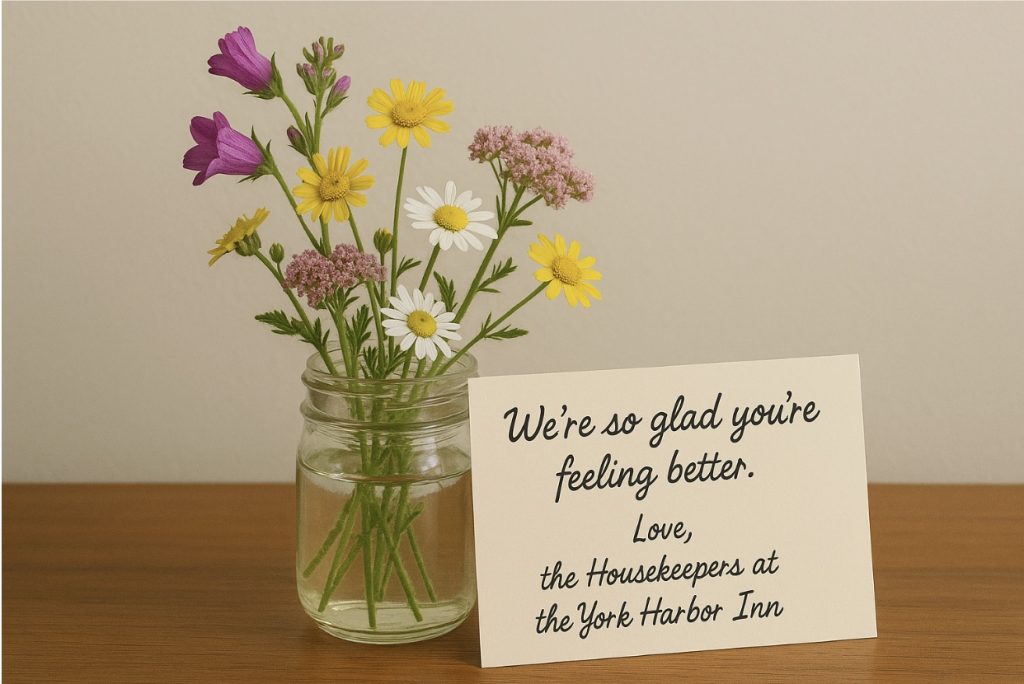
Case in point: At York Harbor Inn, housekeeping brought handpicked wildflowers and a note to a sick guest. The simple act was shared multiple times online, creating goodwill and visibility without extra cost.
5. Helps Your Hotel Stand Out in a Crowded Market
The hospitality market is intensely competitive, with more than 187,000 hotels and 17.5 million guest rooms worldwide. To stand out, service must be memorable.
When customers feel recognized, cared for, and valued, they are far more likely to return to the same property. Loyal guests not only rebook, but they also spend more on upgrades, dining, and on-property experiences.
Research backs this up. A modest 5% increase in customer retention can raise profits by 25% to 95%. Loyal customers spend 67% more than new ones, and companies focusing on retention are up to 60% more profitable than those chasing new bookings.
For hotels, outstanding service is what turns first-time visitors into repeat guests. And those repeat guests are the ones who drive sustainable revenue growth year after year.
9 Strategies to Improve Hotel Customer Service (With Examples)
All these benefits are clear, but the real question is: how do you actually achieve them? Guest expectations are higher than ever, and meeting them takes more than good intentions. It requires consistent systems, empowered staff, and a proactive approach at every stage of the guest journey.
Well, we did our research. Here are nine tips that might help (and some great hotel customer service examples to go with them):
1. Train Staff to Anticipate Guest Needs
Great service starts with empathy, the ability to notice and address guests’ needs before they even ask. But knowing this is one thing, and putting it into practice is another.
Here’s how you can apply it in your hotel:
- Run hotel customer service training programs focused on emotional intelligence and situational awareness.
Here are a few recommended resources you can check out:
Courses:Emotional Intelligence Fundamentals (Typsy)
Great Customer Service with Emotional Intelligence (Udemy)
Leading With Emotional Intelligence (ExpertLMS)
Books:The New Gold Standard by Joseph Michelli
The Heart of Hospitality by Micah Solomon
- Use pre-arrival communication to gather guest preferences and trip context (e.g., dietary needs, check-in time, purpose of visit).
- Equip your team with tools that offer full visibility into past conversations and guest history.
💡Did you know?
You can keep your hospitality teams perfectly in sync with the right customer service tools.
For example, Hiver gives your team a shared view of guest interactions across channels (email, WhatsApp, SMS). That means the front desk, housekeeping, and concierge teams can stay aligned and respond proactively to recurring needs or past requests.
Meanwhile, Kustomer offers a timeline view of each guest’s history, so staff can instantly see past conversations, preferences, and special requests to deliver more personalized service.
For example, Four Seasons Hotel Minneapolis emails every booked guest a brief pre-arrival questionnaire that includes questions on arrival time, trip purpose, dietary restrictions.

Their Guest Experience Team reviews responses to prepare rooms, welcome amenities, and even arrange surprise celebrations for special occasions.
Recommended reading
How to Shift your Support Strategy from Reactive to Proactive
2. Personalize Every Guest Interaction
Personalization makes guests feel recognized and not like another booking number. To achieve this, you need systems that capture and recall their preferences over time.
Here’s how you put this into practice:
- Use your CRM to capture guest preferences (room type, dietary needs, past complaints) and recall them across stays.
- Tailor experiences based on guest type. Think late checkouts for business travelers or curated spa packages for guests who pay a premium for wellness.
- Build a system that updates guest profiles dynamically, ideally after every new interaction or feedback.
Kempinski Hotels, for instance, uses a Guest Insight Engine that aggregates survey feedback and stay history to create detailed preference profiles. When a returning guest makes a booking at any of their properties, staff can access these insights to personalize everything from room setup to activities.
💡Pro Tip:
Connect Hiver with CRMs like Salesforce or HubSpot to bring guest data into one place.

Pull booking history, loyalty tier, and feedback from your CRM to personalize every touchpoint. You can use this to send tailored welcome emails, offer curated upsells, or reward returning guests.
You can also link tools like Zoho CRM or ActiveCampaign through Zapier to segment guests and trigger actions automatically.
This approach lets you deliver hyper-personalized experiences at scale, without adding manual work or switching between multiple tools.
3. Communicate Proactively Across All Channels
Guests shouldn’t have to chase answers after making a booking. Proactive communication builds trust and reduces unnecessary questions. To make this part of your service culture, set up processes that keep guests informed every step of the way.
For example, you can use omnichannel customer support tools to proactively communicate with guests across email, WhatsApp, and SMS.
Here’s how to implement it:
- Map the guest journey and mark when updates are needed: booking, pre-arrival, check-in, mid-stay, and check-out.
- Use tools like Hiver, Zendesk, or Freshdesk to send messages via email, WhatsApp, or SMS from one place.
- Create quick templates for common updates like early check-ins, maintenance alerts, or local disruptions.
- Automate routine messages such as room-ready alerts, mid-stay surveys, and check-out reminders.
- Track open and reply rates to see what works and improve over time.
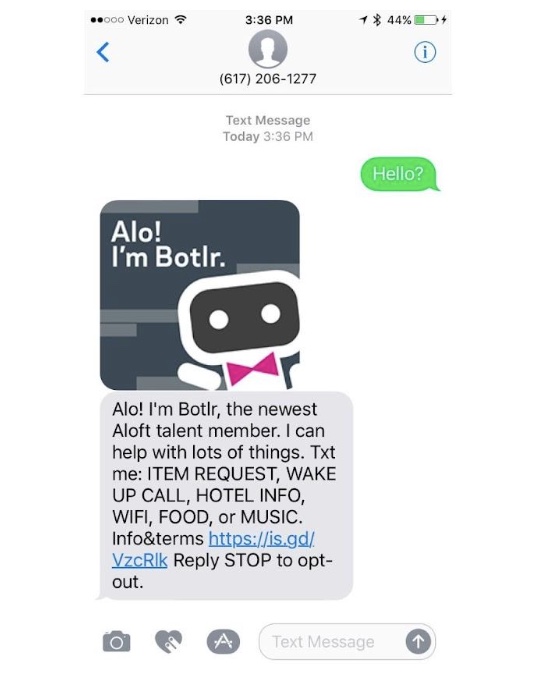
An example of this is Aloft Hotels’ “ChatBotlr,” which allows guests to text service requests, access hotel information, and connect with staff even when off-property. With an average response time of just five seconds, guests never feel ignored or forgotten.
4. Collaborative Seamlessly Across Departments
A great guest experience depends on how well departments collaborate and communicate with each other. Even simple requests, such as a towel restock or late checkout, can easily slip through the cracks unless there’s shared visibility and accountability.
To ensure visibility and collaboration, you can:
- Give every department access to guest requests and their status.
- Use a system to assign, track, and close out tasks.
- Run quick daily check-ins on VIP guests, open issues, or service priorities.
💡Did you know?
With a helpdesk like Hiver, hotel teams can leave internal notes and @mentions, assign emails to specific departments, and track the status of each request—all without switching tools or forwarding emails.
Atlantis The Palm in Dubai, for example, routes every guest request through their Guest Service Optimization application. Whether it’s housekeeping, engineering, or food service, all teams access the same platform, allowing guests to make “any request from any device” with guaranteed follow-through.

“Guests can then (on check-in) avail a digital room key via their mobile phone, which also provides access to a live chat with customer service, access to room service, and digital housekeeping requests.”
Anthony Lynsdale
Vice President for IT, Atlantis The Palm
5. Automate Routine Tasks
Some routine questions from guests on Wi-Fi details, check-in times, or directions, don’t require a human touch. Automating the basics frees your team to focus on more complex or higher-value interactions that build loyalty.
Here are some ways to do that:
- Set up automated replies for FAQs and routine updates, especially during peak hours or off-hours.
- Deploy a chatbot or self-service kiosk to assist guests with basic queries on demand.
- Build a digital info hub with reservation details, amenity hours, and transportation options.
YOTEL’s New York property uses self-service kiosks and “YOBOT,” a robotic luggage handler, to streamline arrivals.

This keeps lobby wait times under five minutes and allows staff to focus on more complex guest needs.
Recommended reading
6. Collect and Act on Real-Time Feedback
Waiting until checkout (or worse, until a TripAdvisor review) to learn something went wrong means you’ve lost your chance to make it right.
Real-time customer feedback gives your team a window to course-correct while the guest is still at your property.
To get feedback, you can:
- Send short mid-stay check-in messages to ask how things are going. A simple “How’s your stay so far?” can surface hidden issues.
- Route feedback directly to the relevant team so action happens quickly.
- Address the issue and then follow up once to ensure everything is fine. Closing the loop shows that you care.
- Use tools like Hiver, Gladly, or Qualtrics to collect, centralize, and analyze guest feedback. This will make it easier to spot recurring issues and improve service proactively.
Take IHG Hotels & Resorts, for instance. They handled over 12 million in-stay guest messages in 2024 using their digital messaging platform.
This allowed on-site teams to address concerns before checkout, resulting in higher guest satisfaction scores and more positive reviews.
7. Turn Mistakes into Loyalty Moments
Making mistakes is human, and in hotels, they’re often unavoidable. What truly matters is how you respond. A thoughtful recovery can turn a frustrating moment into one of the most memorable parts of a guest’s stay.
Here are some tips that can help you do that:
- Give frontline staff the autonomy and budget to fix issues immediately without any escalations.
- Set up dedicated channels for urgent concerns, so time-sensitive requests get immediate attention.
💡Did you know?
With Hiver, you can set SLAs (Service Level Agreements) for urgent conversations, ensuring that high-priority guest issues are responded to within minutes.
For example, if a guest reports a billing error or an AC outage, you can create a rule that flags the message as “urgent,” routes it to the right team, and sets a 15-minute response SLA.
For instance, at the Hilton Orlando, a waiter noticed a slight delay in serving a guest’s drink. Although the guest hadn’t complained, the waiter apologized and offered complimentary drinks. This small, proactive gesture turned an ordinary moment into a memorable one. It worked because the employee was observant, empowered to act without asking permission, and genuinely empathetic.
8. Build Loyalty Programs that Reward Guest Engagement
Loyalty is about recognition, not just discounts. Guests who feel valued are more likely to return, recommend your hotel, and even spend more on upgrades. A well-designed loyalty program builds a sense of belonging and deepens the guest relationship over time.
Ways to put this into practice:
- Offer meaningful perks like room upgrades, late checkouts, or birthday surprises.
- Recognize milestones such as a guest’s fifth stay.
- Personalize rewards based on travel behavior.
Marriott Bonvoy’s Personalized Milestone Rewards does this well by surprising members with complimentary night certificates, free upgrades, or invitations to exclusive events. They tailor offers to travel patterns (e.g., free breakfast vouchers for frequent weekend guests), and create emotional connections that drive repeat stays.
The results speak for themselves: 35% of Marriott’s gross fee income comes from Bonvoy members.
9. Monitor Competitor and Industry Benchmarks Regularly
Guests often compare reviews, ratings, and service quality across multiple hotels before booking. This makes keeping an eye on competitors essential. If your hotel lags behind on response times, ratings, or guest satisfaction scores, it can directly cost you bookings.
How to stay competitive today:
- Use STR (STAR) reports—industry benchmarks from Smith Travel Research—to benchmark your performance against comparable hotels. These reports show key metrics like occupancy (percentage of rooms sold), ADR or Average Daily Rate (average revenue earned per sold room), and RevPAR or Revenue per Available Room (total room revenue divided by all available rooms).
- Track competitor reviews and response times using tools like Revinate, ReviewPro, TrustYou, or GuestRevu to benchmark performance and spot trends.
- Regularly update your service benchmarks to match or exceed those of your comp set.
📌 Author’s Note:
One of my favorite stories in this regard comes from Bill Marriott, who once admitted regretting passing on an innovative atrium-style hotel in Atlanta during the 1960s. This property later became the Hyatt Regency Atlanta.
Hyatt’s bold move reshaped hotel design nationwide. As Marriott reflected, “I could have stopped what became a very successful competitor.” It’s a timeless reminder that overlooking competitor moves can shift the future of the entire industry.
Key Metrics to Track for Hotel Customer Service
You can’t improve what you don’t measure. Tracking the right service metrics can help hotels spot gaps early, recognize top-performing staff, and continuously improve the guest experience.
Below are six essential metrics every hotel should keep an eye on:
| Metric | What It Measures | Why It Matters |
|---|---|---|
| Customer Satisfaction Score (CSAT) | Guest satisfaction after a specific interaction or stay (1–5 or 1–10 rating). | Reflects real-time guest happiness and provides immediate feedback. |
| Net Promoter Score (NPS) | Guest loyalty based on the question: “How likely are you to recommend our hotel?” | Predicts repeat business and word-of-mouth referrals. High NPS = loyal advocates. |
| Response Time to Guest Inquiries | How quickly staff respond to emails, chat, or on-site requests. | Guests expect fast replies. Delayed responses often lead to complaints. |
| Resolution Time | How long it takes to fully resolve an issue from report to closure. | Faster resolutions reduce frustration and prevent negative reviews. |
| Service Recovery Rate | How effectively negative experiences are turned into positive ones. | Mistakes happen, but recovery builds long-term loyalty and trust. |
| Average Response Time per Channel | Response speed by channel: email, chat, SMS, WhatsApp, etc. | Expectations differ—instant replies on chat vs. slower on email. |
Great Hospitality Starts with Great Customer Service
At its heart, hospitality service is about people. Guests don’t remember the sheets’ thread count or the lobby size of your hotel; they remember how you made them feel. When teams anticipate needs, respond with care, and stay consistent, every interaction becomes a chance to build loyalty.
Achieving this at scale requires the right systems behind the scenes. That’s where Hiver helps. By keeping teams aligned, reducing manual work, and ensuring no guest request slips through the cracks, Hiver allows hotels to focus on what truly matters: creating memorable stays.
Case in point: Travelist, a Polish travel management company, manages over 5,000 customer emails a month. In such a competitive industry, the risk of low customer service is lost business.
Before Hiver, their support team worked from personal inboxes, which meant no visibility, duplicate replies, and missed SLAs. After moving to Hiver, Travelist gained:
- 44% faster resolution times, thanks to SLA tracking and auto-assignment.
- Zero work duplication, with Collision Alerts preventing multiple agents from replying to the same email.
- Smarter collaboration, using Notes and tagging to resolve issues without endless forwarding.
As Jędrzej Dąbrowski, Junior Product Manager at Travelist, put it:
“Every team member knows exactly what they have to work on, and what their workload for the day looks like. There are no SLA violations now.”
Frequently Asked Questions
1. Which is the best hotel customer service software?
There’s no one-size-fits-all option — it depends on your hotel’s size and needs. Popular tools include Hiver, Zendesk, Freshdesk, and Guestline. Each helps streamline guest communications, automate responses, and improve service quality.
2. What is customer service in hospitality?
Customer service in hospitality refers to how hotels, resorts, and other lodging providers interact with guests before, during, and after their stay. It includes everything from answering booking queries and handling complaints to offering thoughtful extras like room upgrades or local recommendations.
3. What is the difference between hospitality and customer service?
Hospitality is the broader experience of making guests feel welcome, comfortable, and cared for. Customer service is one part of that, focused specifically on solving problems, fulfilling requests, and handling guest interactions. Think of hospitality as the atmosphere, and service as the action. Both matter, but excellent customer service is what turns a good stay into a great one.
4. How can hotels improve customer service?
Hotels can improve service by focusing on personalization, proactive communication, and fast issue resolution. Training staff to anticipate guest needs, using tools to stay aligned across departments, and collecting real-time feedback all make a big difference.
5. How do I contact my hotel’s customer service if I have an issue?
Most hotels provide multiple ways to reach customer service:
Front desk: The fastest option if you’re on property.
Phone or room service line: Available 24/7 in most hotels.
Hotel app, website, or email: Great for pre-arrival questions or special requests.
Messaging platforms: Increasingly, hotels let you reach staff via WhatsApp, SMS, or in-app chat.
If it’s urgent during your stay, calling or visiting the front desk is the quickest way to get help.
6. Which hotel brand has the best customer service?
Some hotel brands, especially well-known for their exceptional guest service, include The Ritz-Carlton, Four Seasons, and Marriott Bonvoy. The “best” can vary by location and traveler preferences, but luxury chains often lead guest satisfaction surveys.
Start using Hiver today
- Collaborate with ease
- Manage high email volume
- Leverage AI for stellar service