

Most customers don’t announce they’re leaving. Instead, their silence speaks volumes: through unopened emails, abandoned carts, and a general lack of interaction.
But for businesses that know where to look, this silence marks an opportunity: a second chance to re-engage and retain customers.
Win-back customer emails are that second chance. These curated messages help re-ignite interest, build trust, and rekindle valuable relationships.
Unlike traditional email retention campaigns, win-back emails specifically target lapsed and inactive customers—those who have gone quiet but still hold long-term value.
In this guide, you’ll find:
- What win-back emails are and why they matter
- When to send them
- 12 ready-to-use email templates for different scenarios
- Real-world examples to inspire your next win-back email campaign
Check out our other template collections below:
✅ How to Say Thank You To Your Customers [+14 Free Templates]
✅ 9 Powerful Win-Back Customer Email Templates and Their Importance
✅ 10 Best Knowledge Base Article Templates For Every Business
✅ 9 Effective Customer Feedback Email Templates to Unlock Better Insights
✅ The Art of Asking: 9 Proven Email Templates for Case Study Requests
✅ 11 Account Verification Email Templates for Your Business
✅ 15 Engaging Welcome Email Templates for New Customer Onboarding
✅ 13 Employee Onboarding Email Templates for New Hires
✅ 13 Subscription Cancelled Confirmation Email Templates
✅ 9 Email Templates to Request Customers for Product Reviews
✅ 33 CSAT Survey Templates for Your Customer Support Team + Bonus Questions
✅ 10 ITSM Email Templates: Mastering Scheduled Downtime Communication
What is a Win-Back Customer Email?
A win-back customer email is sent to lapsed or inactive customers who have stopped engaging with your business. This could look like unopened emails, abandoned carts, or brief, infrequent logins.
The goal of win-back customer emails is to re-engage customers and encourage a return, whether through reminders, offers, loyalty programs, or personalized messages.
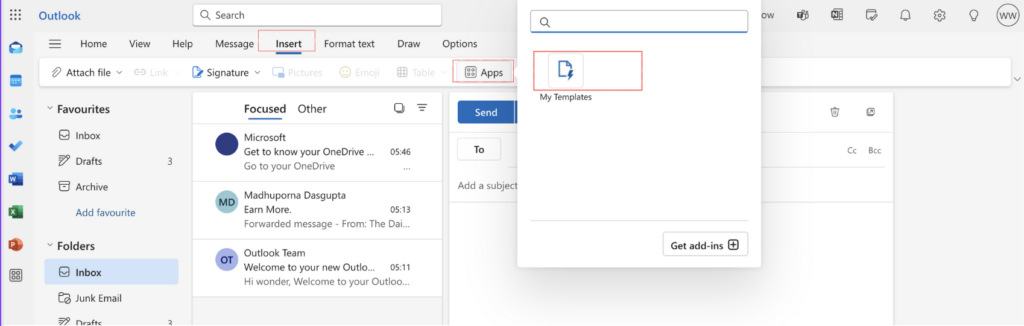
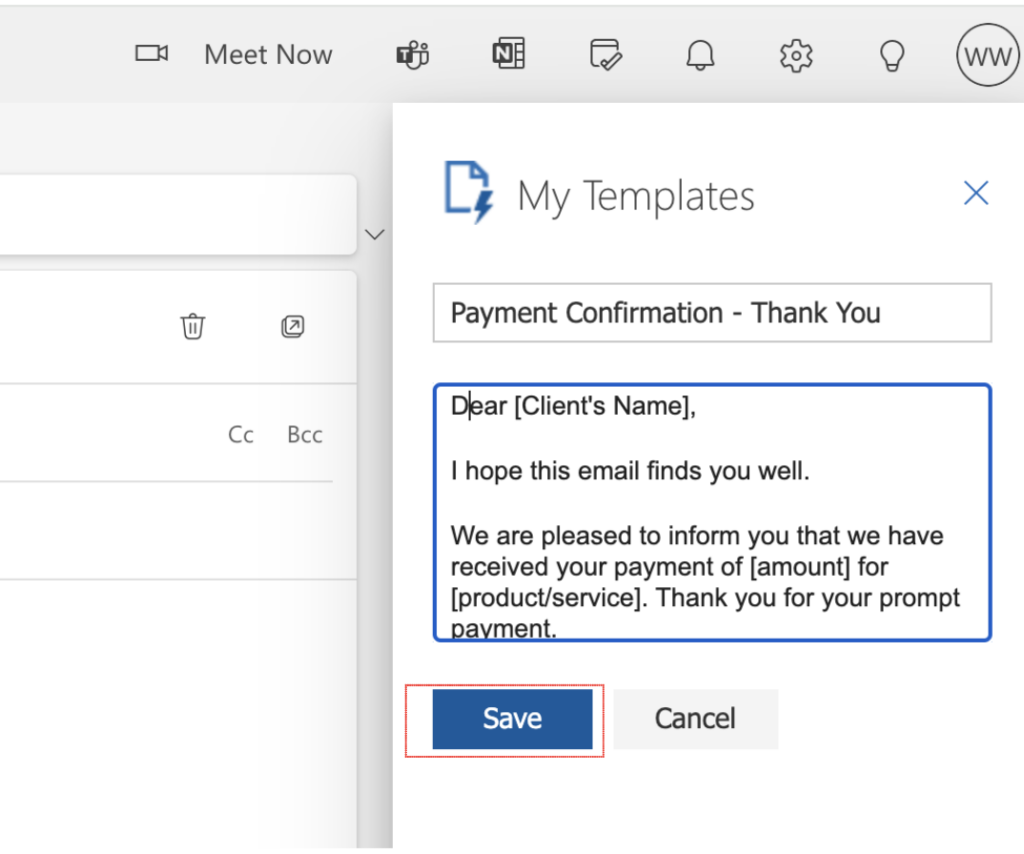
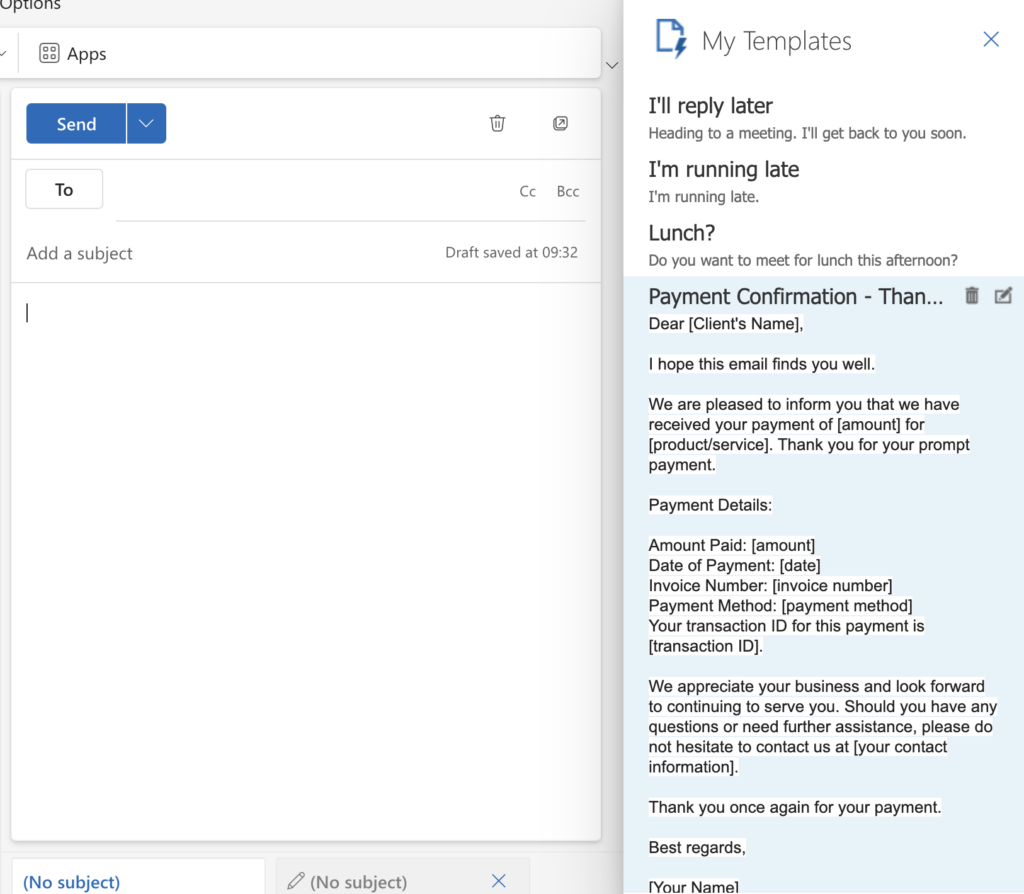
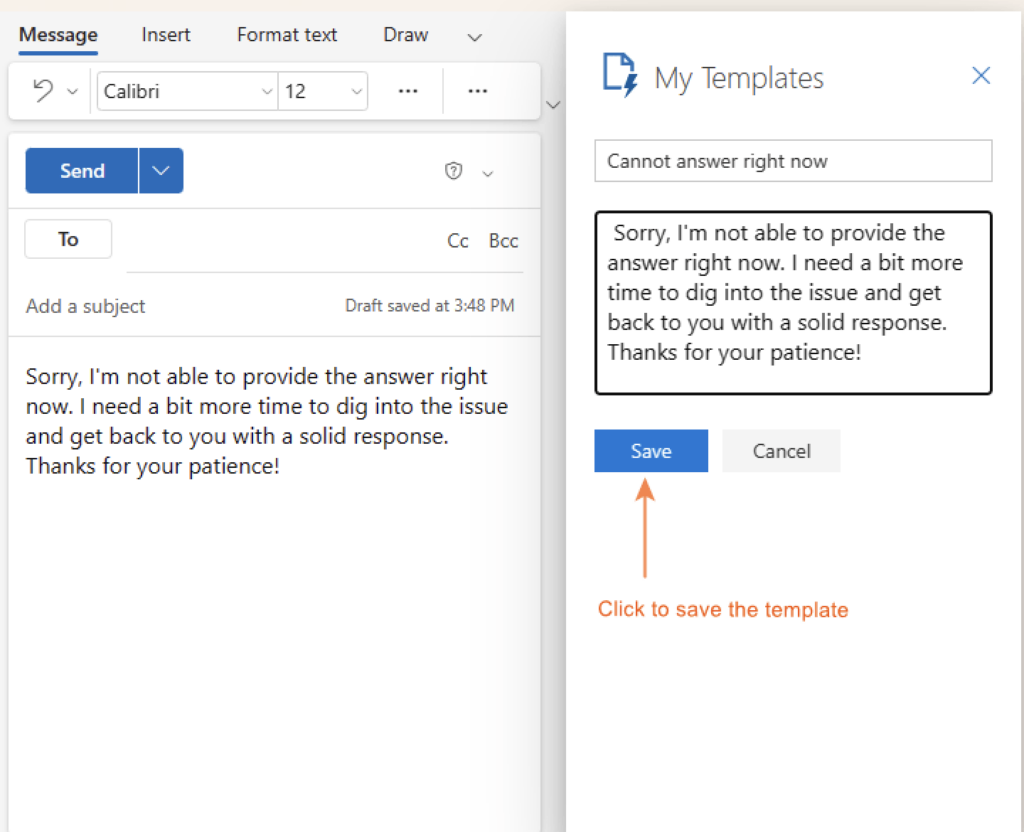
Templates help streamline this effort, making it easier for teams to re-engage customers at scale without losing the personal touch.
Win-back customer email templates are prewritten, personalized messages designed to help teams respond quickly and effectively to churn signals. They ensure your win-back email campaign feels intentional, timely, and human.
Recommended reading
Research shows that 45% of subscribers who receive a win-back message go on to open future emails. These emails aren’t just a shot at re-engagement, but a first step at restoring long-term customer loyalty among lapsed or inactive customers.
Whether you’re offering a discount, highlighting new features, or simply saying “We miss you,” the structure and tone of your email template can make all the difference in re-engagement.
12 Ready-to-Use Win-Back Customer Email Templates (And When to Send Them)
Win-back emails are most effective when they’re relevant, well-timed, and tailored to why a customer dropped off. But crafting the perfect message for each scenario can be time-consuming, especially when juggling multiple campaigns. That’s why we’ve put together 12 ready-to-use win-back email templates for different timings and scenarios.
Recommended reading
Whether you’re trying to reignite interest or rebuild trust, these templates give you a solid starting point, so you don’t have to start from scratch every time.
Based on Inactivity
Use these when a customer hasn’t logged in, opened emails, or made a purchase in a while.
1. “We Miss You” — Gentle check-in after 30/60/90 days of inactivity
When customers haven’t interacted with your product or made a purchase for a set period—say 30, 60, or 90 days—it often signals fading interest. These time-based inactivity windows are ideal for sending reminder emails that gently nudge them back before they churn for good.
Subject Line: We Miss You, [Customer’s Name]—Here’s What’s New
Body:
Hi [Customer’s Name],
We noticed you haven’t been around in a while and wanted to reach out and say we miss having you with us.
{{30 Days Inactive}}
It’s been about a month since your last visit, and we’ve been rolling out some great new features. If you’ve just been caught up in life, no worries — we’re still here and ready when you are.
{{60 Days Inactive}}
Two months have flown by, and we’d love to reconnect. We’ve refreshed our experience and added some new offerings that could improve your next visit.
{{90 Days Inactive}}
Three months away? That’s too long! Your past support meant a lot to us, and we’d love to show you what’s changed since then.
No matter how long it’s been, we’d love to have you back. Explore what’s new and let us know how we can better serve you.
[CTA Button: Explore What’s New]
Warmly,
[Your Name]
[Your Title]
[Your Company]
2. “Still With Us?” — When open or click rates start dropping
A decline in email open rates or click-throughs often indicates that a user is losing interest or that your messaging isn’t delivering. This is the right moment to opt for more personalized and curiosity-driven templates that engage customers.
Subject Line: Still with us, [Customer’s Name]?
Body:
Hi [Customer’s Name],
We noticed our recent messages haven’t caught your eye, and that’s okay.
But just in case you missed something important, here are a few things worth checking out:
<Priority perks for returning subscribers>
If you’re still with us, we’d love to hear what you want more (or less) of. And if you’d rather take a break, you can update your preferences anytime.
[CTA Button: Refresh My Preferences]
[Link: Manage Subscription Settings]
Thanks for staying connected,
[Your Name]
[Your Company]
3. “We’ve Made Updates You’ll Want to See” — Highlighting product/service improvements during quiet periods
Sometimes, customers stop buying from you because your product or service doesn’t meet their needs when they try it. A good way to get them back is to tell them what’s different now—whether it’s a new feature, quicker service, or changes based on what users have said.
Subject Line: Hi [Customer’s name], we’ve made some updates you’ll want to see
Body:
Hi [Customer’s Name],
We’ve been working hard to improve our services [Your Company], and we think you’ll love what we’ve done.
Here are a few of the new things you’ll find at [Your Company]:
– A new and improved website
– A wider selection of products
– Faster shipping
– More responsive customer service
We hope you’ll take a look at our new website and see all the great things we’ve been up to. We’re always looking for ways to improve our services, and we appreciate your feedback.
Thanks for being a valued customer!
Sincerely,
[Your Name]
Triggered by Feedback or Support Gaps
Use these when disengagement stems from a bad experience or unaddressed concern.
4. “We’d Love Your Honest Feedback” — Re-engagement via a quick feedback loop
When customers go quiet, it doesn’t always mean they’ve lost interest—maybe something just didn’t click. Asking customers what they think shows you care about their opinions and want to improve.
Subject Line: We’d love your honest feedback, [Customer’s Name]
Body:
Hi [Customer’s Name],
We noticed you haven’t been as active lately and wanted to check in.
We’d genuinely appreciate your feedback if something didn’t quite meet your expectations. Whether it was a feature, service experience, or anything else, we’re listening and looking to improve.
You can share your thoughts in any way that’s easy for you:
– Reply to this email directly
– Leave a quick review [insert link]
– Chat with our support team at [support link or email]
Your input helps us serve you and others better. Thanks again for being part of our journey.
Sincerely,
[Your Name]
Recommended reading
5. “We’re Sorry—and We’d Like to Make It Right” — Acknowledging negative feedback and offering a fix
When a customer has a bad experience or gives negative feedback, staying quiet can make them decide to leave for good. In this case, a win-back customer email template should acknowledge the problem, show genuine concern, and figure out how to fix things.
Subject Line: We’re sorry, [Customer’s Name]—and we’d like to make it right
Body:
Hi [Customer’s Name],
We recently came across your feedback and wanted to reach out personally. We’re truly sorry your experience with us didn’t go as expected; that’s not the standard we aim for.
Your feedback matters, and we’ve taken it seriously. Since then, we’ve [mention specific improvement, if applicable—e.g., updated our support process, fixed the issue, added a new feature, etc.].
If you’re open to giving us another try, we’d love to show you what’s changed. And if there’s anything still unresolved, we’re here and ready to help.
[CTA Button: Let’s Fix This Together]
[Or link to support/contact]
Thanks again for helping us do better.
[Your Name]
[Your Title]
[Your Company]
Recommended reading
How to Collect Customer Feedback That Actually Drives Action
Offer or Reward-Based Nudges
Use when incentives can tip the scale for returning.
6. “You’ve Earned This” — Loyalty Program Invitation
When customers haven’t returned for a while, you can spark their interest again by asking them to sign up for your customer loyalty program. This template gives them a reason to reconnect that feels more like a reward than a sales pitch. By highlighting the benefits they’ve missed, you can transform occasional shoppers into long-term customers.
Subject Line: [Customer’s Name], we saved you a spot in our rewards program
Body:
Hi [Customer’s Name],
We’re excited to announce the launch of our new loyalty program! As a valued customer, you’re invited to join and start earning rewards today.
With our loyalty program, you’ll earn points for every dollar you spend. You can then redeem your points for discounts, free shipping, and other exclusive rewards.
Here are just a few of the benefits of our loyalty program:
– Earn points for every dollar you spend
– Redeem points for discounts, free shipping, and other rewards
– Get access to exclusive sales and promotions
– Stay up-to-date on the latest product releases
We’re confident that you’ll love our loyalty program. So what are you waiting for? Get in on the program today and start earning rewards!
[CTA link to loyalty program sign-up page]
We hope to see you soon!
Sincerely,
[Your Name]
Recommended reading
7. “Know Someone Who’d Love Us?” — When referrals can re-spark interest
Even if customers aren’t ready to return to your business right now, they might still think your brand is worth recommending. Including a referral bonus in your template lets old customers keep in touch and bring in new ones. It also makes your email seem community-focused instead of just trying to sell products/services.
Subject Line: Do you know anyone who’d love us, [Customer name]?
Body:
Hi [Customer’s Name],
Even if you haven’t shopped with us recently, we’d still love to have you as part of our community, and we’re hoping you’ll help it grow!
Here’s the deal:
👯 Refer a friend and you both get ₹500 off your next purchase.
🔄 Even if you’re not ready to return, your referral stays valid.
[CTA Button: Refer a Friend Now]
We’d be thrilled to have someone you trust discover us. And if this email nudges you to take another look yourself, that’s a bonus we’ll happily welcome.
Thanks again for being a part of our story.
Warmly,
[Your Name]
[Your Title]
[Your Company]
8. “Happy Birthday/Anniversary!” — Timely, personal outreach with a celebratory offer
Getting in touch when a customer has a birthday or anniversary is a nice way to reconnect. Offering a discount or free gift does more than just push deals; it shows your customer you think of them as more than just a sale. This template is a great chance to get them talking with a friendly note and a little gift or special offer.
Subject Line: Do you know anyone who’d love us, [Customer name]?
Body:
Hi [Customer’s Name],
Today’s a special day! And we couldn’t let it pass without saying something.
From all of us at [Your Company], happy [birthday/anniversary]! We’re so glad to have had you as part of our journey, and to celebrate, we’ve got a little something for you:
🎁 Enjoy 30% off your next purchase with code [CELEBRATE30]
It’s our way of saying thanks for being part of the [Your Company] family. Treat yourself to something special; you deserve it.
[CTA Button: Redeem Your Gift]
Warmly,
[Your Name]
[Your Title]
[Your Company]
Based on Shopping Behavior
Use when customers abandon their carts or only buy seasonally.
9. “Your Favorite Time to Shop is Almost Here” — Reaching out to seasonal customers
Some customers come around at specific times of the year—holidays, seasons, or events. But if you reach out with the right win-back template, you can turn these occasional visits into connections that last all year long.
Subject Line: [Customer’s Name], your favorite time to shop is almost here 🎉
Body:
Hi [Customer’s Name],
We remember how much you loved shopping with us last [season/event], and guess what—it’s almost that time again!
To help you get a head start, we’ve curated some early picks and special deals just for you. Whether you’re getting ready for [seasonal occasion] or just want to treat yourself, now’s the perfect time to come back.
🎁 Bonus: Use code EARLYBIRD10 for 10% off before the rush begins.
[CTA Button: Start Early Access]
We’d love to make this season/event even better for you.
See you soon,
[Your Name]
[Your Title]
[Your Company]
10. “You Left Something Behind” — Cart Abandonment Reminder
When shoppers put items in their online cart but don’t buy them, it shows they’re interested, but also unsure – often leading to cart abandonment. A quick reminder template can give inactive or lapsed customers the push they need to improve their shopping experience. This can include a friendly note, a short-term discount, or just reassurance about the product/service.
Recommended reading
Subject Line: You left something behind, [Customer’s Name]
Body:
Hi [Customer’s Name],
Looks like you left a few things in your cart, and we’ve saved them for you!
[Display item(s): name, image, price]
We’d hate for you to miss out, especially if those items are in high demand. If you’re still thinking it over, here’s a little something to help you decide:
🎁 Use code SAVE10 at checkout for 10% off your order (valid for the next 48 hours)
[CTA Button: Return to Your Cart]
Need help or have questions? Just reply to this email, we’re happy to help.
Happy shopping,
[Your Name]
[Your Title]
[Your Company]
Urgency + Social Proof
Use when you want to trigger FOMO or reinforce credibility.
11. “Don’t Just Take Our Word For It” — Social proof to reassure hesitant customers
This approach works not just for inactive customers but also for existing customers who need a confidence boost in their decision to stay. By showcasing others’ experiences, you increase trust and support your ongoing win-back email campaign efforts.
Subject Line: Don’t just take our word for it, [Customer’s Name]
Body:
Hi [Customer’s Name],
I wanted to share some of the amazing feedback we’ve received from our customers recently. We’re so grateful for their support, and we wanted to let you know how much they appreciate your business.
Here are a few of the things our customers have said:
– “I love your products! They’re so high-quality and affordable.” – <Customer Name>, <Customer Company Name>
– “Your customer service is amazing! I had a problem with my order, and they were so helpful in resolving it.” – <Customer Name>, <Customer Company Name>
– “I’ve been shopping with you for years, and I’ve never been disappointed. You’re my go-to source for [products or services].” – <Customer Name>, <Customer Company Name>
Our commitment to providing the finest experience is fueled by the appreciation and faith of customers like you. Thank you for being an integral part of our vibrant community!
Looking forward to having you shop with us again soon. Until then, keep being awesome!
Best regards,
[Your Name]
Recommended reading
12. “This Ends in 24 Hours” — Limited-time deal to create urgency
Sometimes, customers don’t need a discount; they need a reason to act now. That’s where FOMO-based win-back email templates shine. By showcasing time-limited offers, social proof, perks that will soon expire, or access to exclusive deals, you build a sense of urgency and remind customers what they stand to lose.
Subject Line: [Customer’s Name], this ends in 24 hours ⏰
Body:
Hi [Customer’s Name],
Just a heads-up—we’re running an exclusive offer that’s been a hit with our community, and we didn’t want you to miss out.
Here’s what’s waiting for you (but only for the next 24 hours):
🔥 [Brief description of offer—e.g., extra 20% off, limited edition item, early access]
🎁 Bonus perks for returning customers like you! [showcase the perks]
✅ Avail FREE SHIPPING for all your purchases
If you’ve been thinking about returning, now’s the perfect time! We’d love to see you again—and this time, with a little extra in your cart.
[CTA Button: Grab the Offer Before It’s Gone]
Tick-tock,
[Your Name]
[Your Title]
[Your Company]
Real-World Win-Back Emails to Inspire Your Templates
Curious about how leading companies get their customers back?
Check out win-back emails from top brands that strike the right balance between timing, tone, and value.
Semrush: Win Back Pricing Page Visitors with Humor + a Low-Risk CTA
This email from Semrush shows how to reconnect with potential buyers who left after looking at pricing plans. It uses mild humor, creates trust by mentioning user advantages, and makes things easier with a clear low-risk call to action: a free 7-day trial.

Uber Eats: Entice Hungry Customers with Member Perks
Uber Eats keeps it simple yet effective with this eye-catching win-back email. It pairs crave-worthy food visuals with a clear incentive: exclusive benefits for Uber One members. The copy is brief but persuasive, focusing on savings and ease, making it hard for hungry customers to ignore the “Order now” button.

McDonald’s: Nudge Users with Point Expiry + Urgency
McDonald’s nails the balance of urgency and personalization in this rewards-driven win-back email. It gives customers a clear reason to act by showing exactly how many points are about to expire and when.

Fubo: Urgency-Driven Reminder to Win Back Streaming Customers
This win-back email from Fubo uses urgency to prompt inactive users to take immediate action. By reinforcing the value of continued access to top sports and entertainment, the message encourages a swift return with a clear call-to-action.

Grammarly: Bring Users Back by Highlighting Productivity with AI
This email encourages lapsed customers to try Grammarly again by showing how it simplifies everyday work tasks—like drafting emails or giving feedback. The visual stack of to-dos, paired with the promise of instant benefits, turns a basic reactivation into a value-packed proposition.

Winning back your customer the right way
Each customer leaves for a reason. Your job is to understand that reason and respond with empathy. Maybe their needs changed, or they had a bad experience with your product.
A well-timed, thoughtful email can start to rebuild that bridge. What you shouldn’t do is send out a generic email aiming to understand what went wrong for the customer. You need to get as specific as possible, and try getting some information from the customer as to why they left and what can be done to get them back.
The templates mentioned above offer a starting point. Personalize it the way you want to and then start small, maybe with a group of 10-15 ex-customers. This allows you to test the copy, and see what sort of messaging works.
And if writing these emails still feels daunting, try using Hiver’s free AI Email Writer. It helps you craft compelling, context-aware messages without losing the human touch.
Frequently Asked Questions
How long should you wait before starting to send customer win-back emails?
It depends on your business model and customer lifecycle. For ecommerce or subscription businesses, you can start sending win-back emails 30 to 60 days after the last purchase or interaction. For high-value or low-frequency purchases, waiting 90 days or more might be more appropriate.
What’s the difference between a win-back and a re-engagement email?
A win-back email specifically targets lapsed or inactive customers with the goal of restoring the buyer relationship—often using incentives like discount codes or loyalty perks. A re-engagement email, on the other hand, is broader—it can be sent to subscribers who haven’t opened emails, users who’ve gone quiet, or contacts you want to qualify before cleaning your list.
How often should I run win-back emails?
There’s no one-size-fits-all, but typically, a win-back sequence of 2–4 emails spaced a few day
Skip to content